



Pear Doesn’t Need the Spotlight.
It Knows Exactly What It's Doing.
Some ingredients make an entrance. Others quietly make the whole product better.
Passion fruit walks into a tasting room and everybody notices.
Blackberry shows up with a little mystery.
Ginger has opinions.
And pear?
Pear is sitting quietly at the end of the table, wondering when everyone is going to stop talking and start tasting.
Which is funny.
Because pear might be one of the more interesting ingredients in the room.
Not because it’s loud.
Not because it’s trying to steal the show.
But because pear has a talent that doesn’t always get enough attention in product development.
It knows how to make other flavors look good.
And every once in a while?
It surprises everyone by becoming the star itself.
The Most Interesting Ingredient Isn’t Always the Loudest
There’s a moment in product development when somebody tastes a sample and says:
“It’s good. But something’s missing.”
Not necessarily more sweetness.
Not necessarily more intensity.
Just… something.
A little more fruit character.
A softer direction.
A different kind of balance.
A way to make the whole experience feel more complete.
That’s when it’s worth asking a question that doesn’t get nearly enough attention:
“What if we tried pear?”
Not because pear is going to solve every formulation challenge.
It won’t.
But because its delicate fruit character and mellow sweetness can open up directions that a more assertive ingredient might not.
Sometimes the goal isn’t to make the product louder.
Sometimes the goal is to make everything work together.
And pear is worth inviting to that conversation.
Pear Has Range.
It Just Doesn't Brag About It.
Let’s give pear a little credit.
It can feel fresh and delicate.
Comforting and familiar.
Bright and refreshing.
Warm and dessert-like.
Or surprisingly sophisticated.
And much of that depends on what you put around it.
And here’s something else worth exploring: not all pears have the same personality, either. From the citrus notes of Anjou to the vanilla-like character of Concorde, different pear varieties bring their own interesting qualities to the table. USA Pears has a great guide to pear varieties and their flavor profiles if you’re curious.
Which brings us to the fun part.
Pear + Ginger: The Quiet One Meets the Opinionated One
Pear: “I was thinking something subtle.”
Ginger: “I have some thoughts.”
Of course you do, ginger.
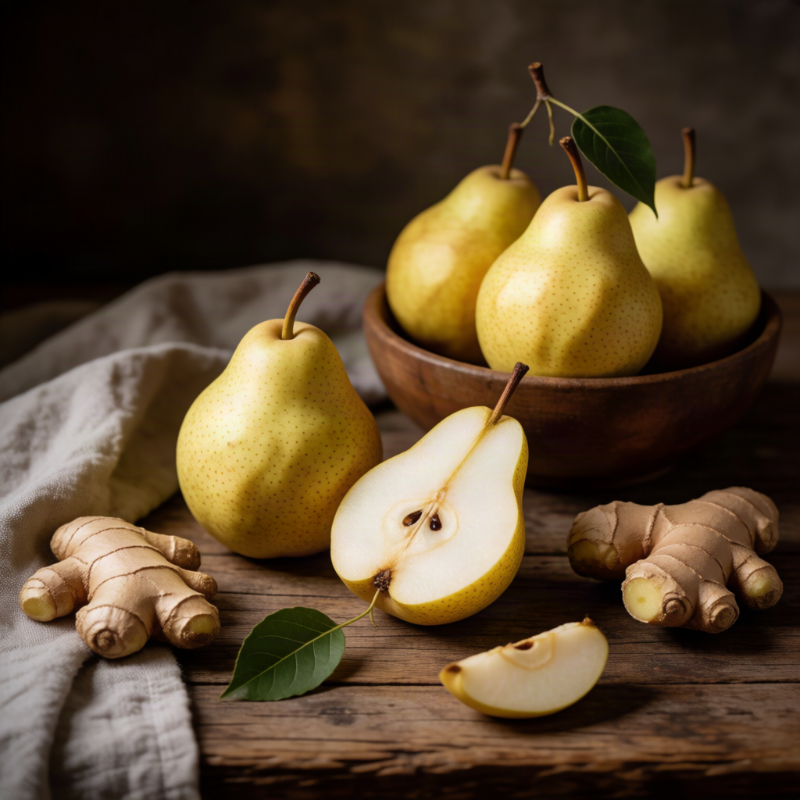
This is a pairing worth exploring when you want a gentle fruit character alongside a more distinctive, warming or lively note.
Think sparkling beverages, RTDs, juice blends, botanical drinks, or even a frozen dessert with a little unexpected personality.
The development question?
How much ginger is enough to make things interesting without making pear disappear?
Because there’s a difference between a pear-and-ginger product and a ginger product that once met a pear.
Both could be good.
But they’re not the same brief.
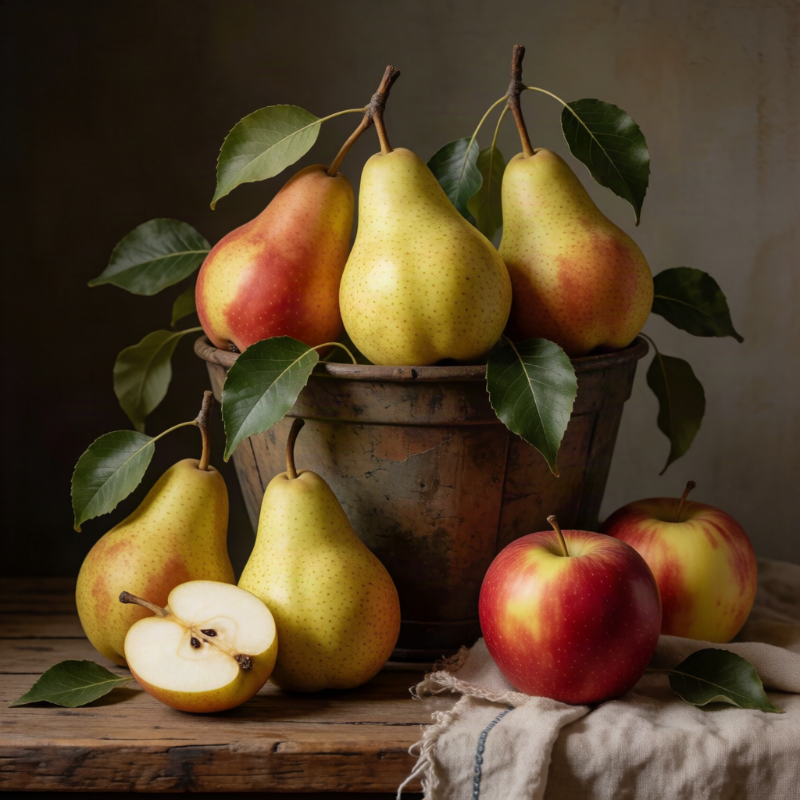
Pear + Apple: Familiar, But Not Necessarily Predictable
Apple and pear have known each other forever.
They’re comfortable together.
They finish each other’s sentences.
They probably share a calendar.
But familiar doesn’t have to mean uninteresting.
Apple can bring a recognizable fruit profile, while pear offers another layer of delicate sweetness and character.
That opens possibilities for juice blends, smoothies, fruit snacks, fillings, sauces, and frozen treats.
The interesting question isn’t whether apple and pear belong together.
It’s:
“What would make our apple-and-pear product worth remembering?”
Maybe it’s the balance.
Maybe it’s the texture.
Maybe it’s a third flavor that takes the pairing somewhere unexpected.
Familiar can be a starting point.
It doesn’t have to be the finish line.
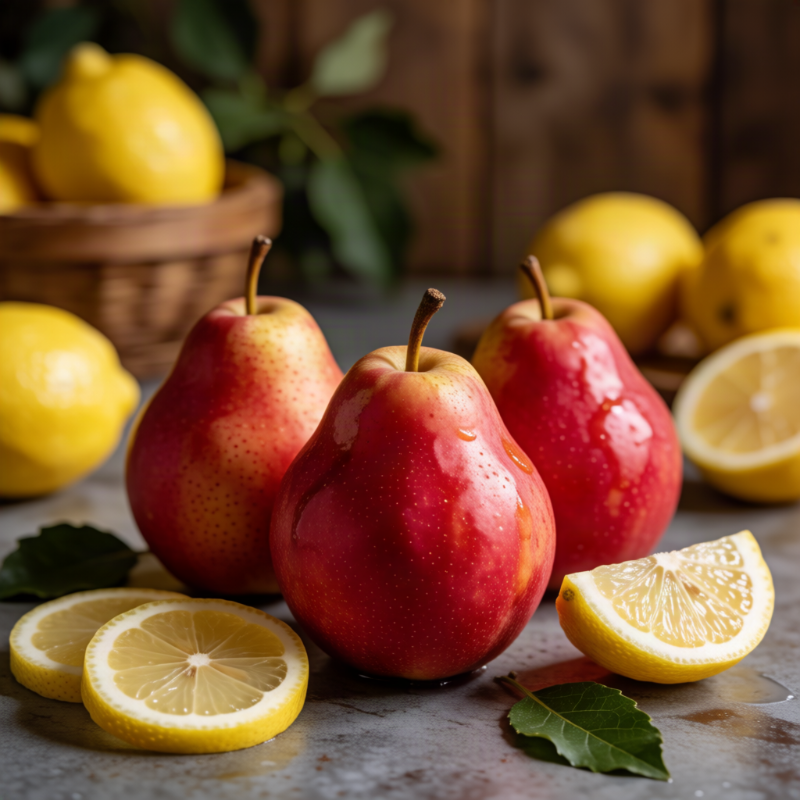
Pear + Lemon: Someone Opened a Window
Pear can be gentle.
Lemon can bring brightness.
Put them together and the conversation changes.
Suddenly we’re thinking about sparkling beverages, lemonades, refreshing juice concepts, sorbets, and fruit-forward frozen treats.
The interesting thing about this pairing is the contrast.
You don’t necessarily need to make pear more intense.
You may want to explore what happens when you give its softer character a brighter setting.
Same pear. Different kind of energy.
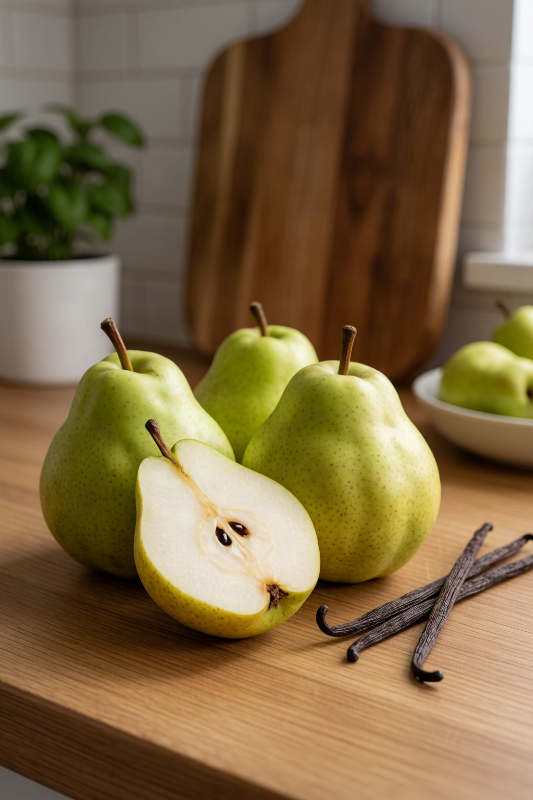
Pear + Vanilla: Apparently We’re Having Dessert
This one doesn’t take much imagination.
Pear meets vanilla.
Somebody mentions a tart.
Somebody else says ice cream.
Now we’re discussing bakery fillings, frozen desserts, dessert sauces, and confections.
And the tasting meeting has somehow become a dessert planning committee.
Again.
Vanilla can take pear’s delicate fruit character toward something richer and more comforting.
But here’s where the formulation gets interesting:
How do you keep enough pear character for the fruit to matter?
Because a great pear dessert shouldn’t leave everybody wondering where the pear went.
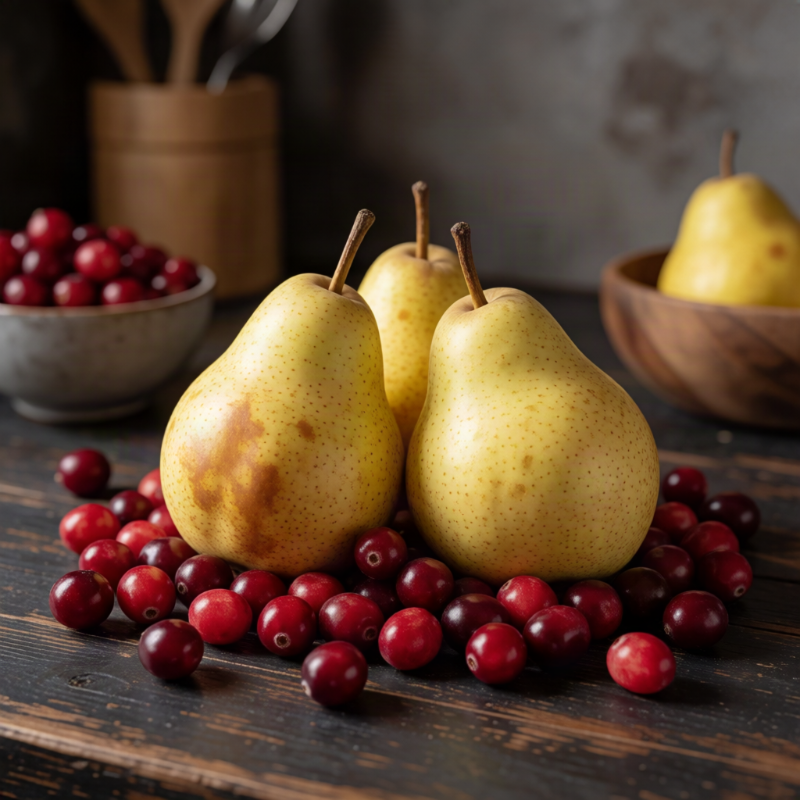
Pear + Cranberry: Well, This Just Got Interesting
Now we’re having a different conversation.
Pear brings a softer, familiar fruit direction.
Cranberry brings a more assertive tart character.
And suddenly there are possibilities for seasonal beverages, fruit blends, sauces, fillings, and confections.
The pairing can be especially interesting when you’re developing something that should feel familiar but still have a little surprise.
The question becomes:
Is pear softening cranberry’s personality, or is cranberry giving pear a new one?
That’s worth a few sample cups.
Sometimes Pear Should Be the Star
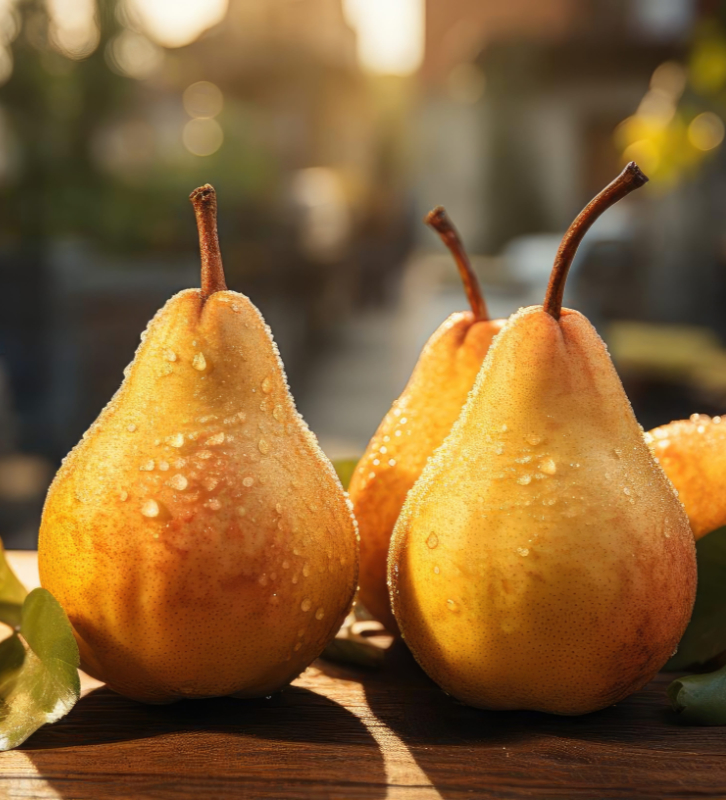
We’ve spent a lot of time talking about what pear can do for other ingredients.
But let’s not get carried away.
Pear deserves its own spotlight, too.
A pear-forward sorbet?
Interesting.
A delicate pear sparkling beverage?
Absolutely worth exploring.
A pear-based fruit filling with a carefully chosen supporting flavor?
Now we’re talking.
A pear-and-ginger gummy where the fruit leads and ginger appears at the finish?
Somebody get the sample molds.
The key is deciding what experience you’re trying to create.
If the brief calls for something bold and immediately recognizable, you’ll need to evaluate whether pear can deliver that experience in the intended format.
But if you’re developing something delicate, nuanced, refreshing, or comforting?
Don’t overlook the ingredient that doesn’t need to shout.
Pear Isn’t Just a Beverage Conversation
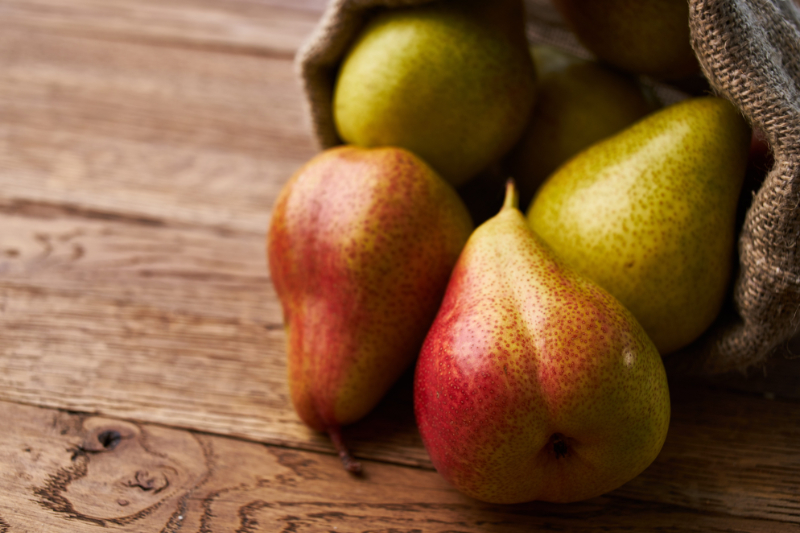
Here’s where we’d love to see more product developers get curious.
Because pear has possibilities well beyond the juice aisle.
In beverages and RTDs, pear can be explored as the lead fruit or as part of a layered flavor combination with citrus, ginger, apple, or botanicals.
In smoothies and juice blends, pear can contribute a mellow fruit direction alongside more assertive ingredients.
In gummies and confections, pear can inspire everything from familiar fruit combinations to more unexpected flavor experiences.
In sorbets and frozen desserts, pear can be the main event or provide contrast alongside warmer, richer, or brighter flavors.
In bakery fillings and dessert sauces, pear can move toward comforting, delicate, or more adventurous combinations depending on the supporting cast.
And for manufacturers working on other fruit-based applications?
There may be a pear idea worth putting on the development board.
Of course, the right inclusion level, sweetness, acidity, texture, processing conditions, and finished-product performance still need to be evaluated in the actual formulation.
That’s part of the work.
And honestly?
That’s where some of the fun starts.
A Little Challenge for Your Next Development Meeting
There's a reason searches like “what flavors pair with blackberry?” are useful.
The next time you’re developing something fruit-forward, try an experiment.
Start with the product experience you want.
Not the ingredient list.
Not what’s trending.
Not what the competitor launched last month.
Ask:
“What should this product feel like when someone tastes it?”
Bright?
Comforting?
Delicate?
Refreshing?
Familiar with a little twist?
Now ask whether pear belongs in that conversation.
Maybe it becomes the lead.
Maybe it makes another fruit more interesting.
Maybe the first sample isn’t quite right.
So you try another.
And another.
And eventually somebody reaches back for the one they didn’t expect to like quite so much.
Those are good days at the tasting table.
The Ingredient Nobody Was Talking About
Somewhere right now, a product developer is looking at a formulation that is almost there.
It’s good.
Everybody agrees it’s good.
But there’s a feeling that it could become something more.
Maybe the answer is a different pairing.
Maybe it’s a change in direction.
Maybe it’s a fruit that wasn’t even on the original list.
We’re not saying pear is always the answer.
We’re saying it deserves to be part of the conversation.
Because some ingredients make an entrance.
Others quietly make the whole product more interesting.
And pear?
Pear knows exactly what it’s doing.
Frequently Asked Questions About Pear Purée
What Are You Developing?
Working on a new beverage, smoothie, gummy, frozen dessert, filling, or another fruit-based product?
If pear is already on your development board—or this article just put it there—we’d love to hear what you’re creating.
At Purée Arêté, we enjoy the conversations that begin with a product idea and turn into a discussion about flavors, applications, and what’s possible.
Tell us what you’re working on.
Because the next great product might start with someone at the tasting table saying:
“Okay…but what if we tried pear?”