


Blackberry Has a Dark Side.
Smart Product Developers Know How to Use It.
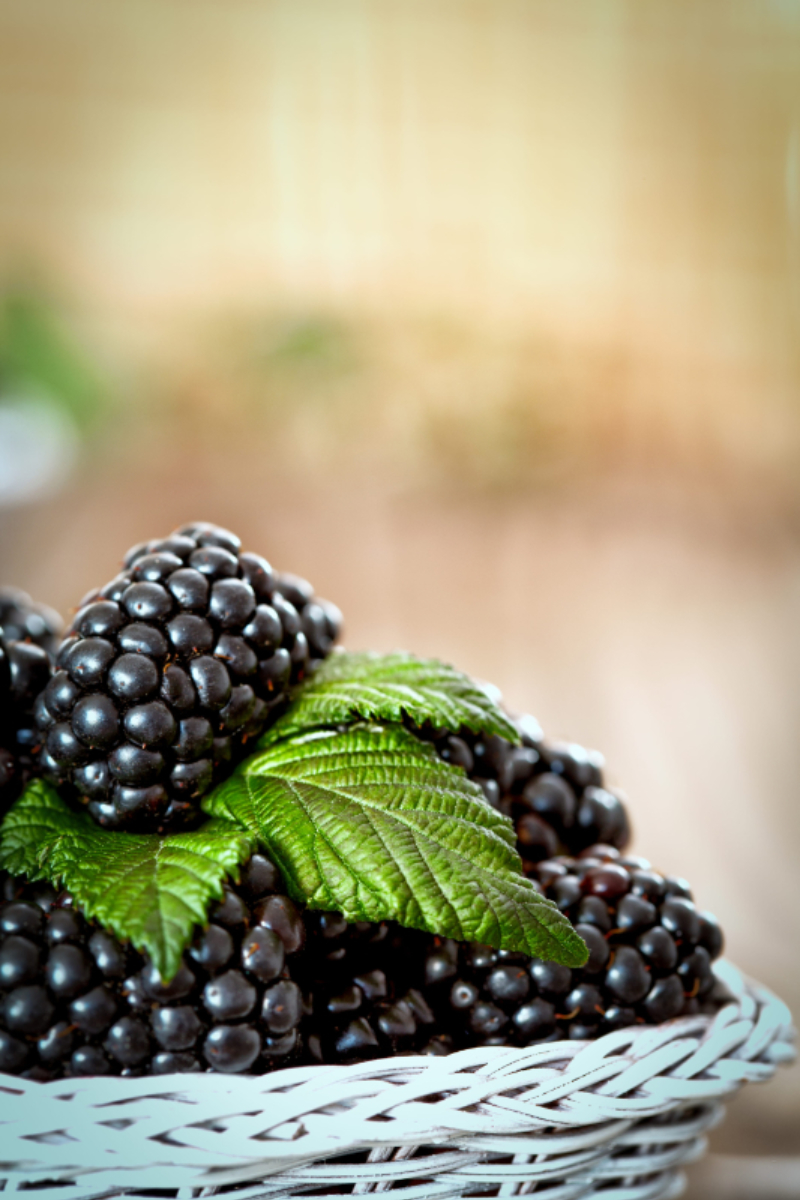
Blackberry has a reputation.
Dark color. Big berry flavor. A little tartness. Maybe even a little mysterious.
Which is funny, because put blackberry next to lemon and suddenly it’s wearing sunglasses at a pool party.
Put it next to vanilla?
Now it’s ordering dessert.
Ginger?
Apparently we’re staying out late.
Same blackberry. Completely different evening.
And that might be the most interesting thing about working with blackberry purée.
The question isn’t simply:
“What flavors pair well with blackberry?”
There are plenty of answers to that.
The more useful question for product developers is:
“Where do we want blackberry to go?”
Bright?
Juicy?
Familiar?
Sophisticated?
Rich?
Refreshing?
A little unexpected?
Because the ingredients you put around blackberry can completely change the story it tells.
And that gives formulators a lot to play with.
Blackberry Doesn’t Have One Personality
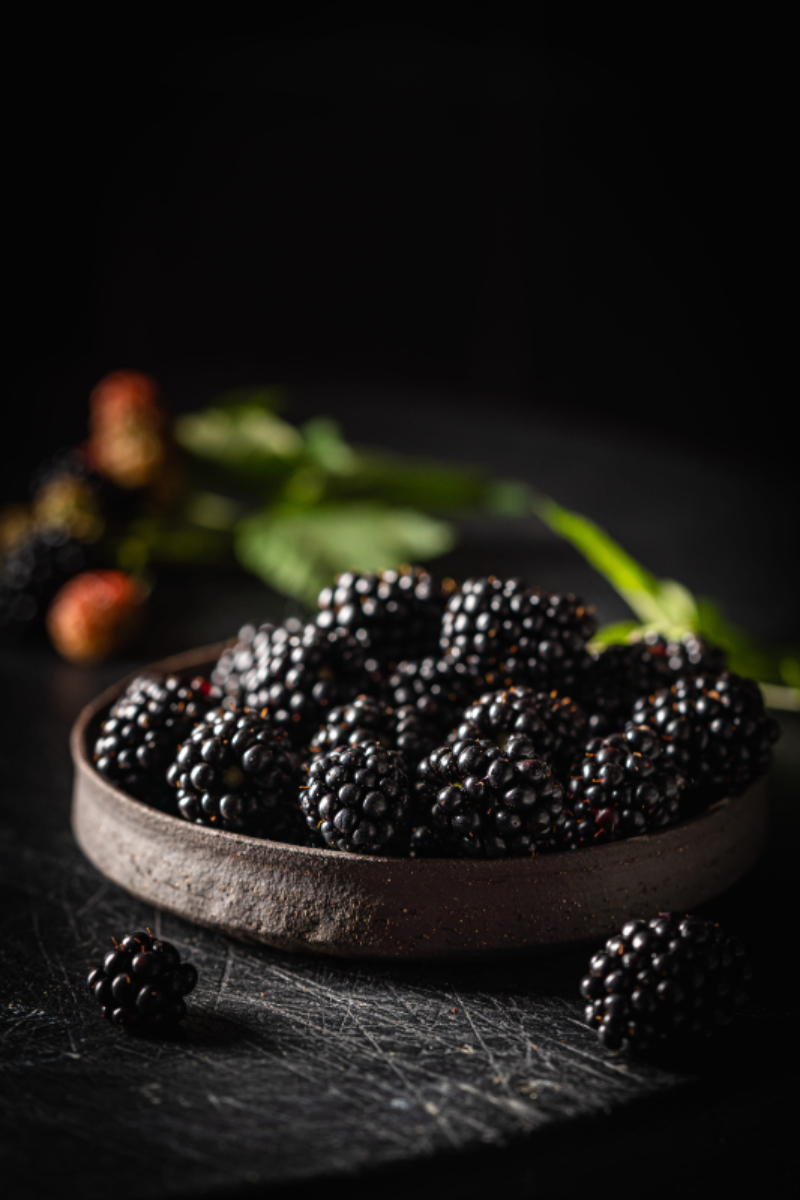
We tend to talk about fruit flavors as though they’re fixed.
Strawberry tastes like strawberry.
Mango tastes like mango.
Blackberry tastes like blackberry.
Well…
Yes.
But that’s only the beginning.
Anyone who spends enough time around a tasting table knows how quickly a flavor can change depending on the company it keeps.
A squeeze of citrus can pull a formulation in one direction.
Vanilla can send it somewhere completely different.
Ginger can change the entire mood.
Another berry can make blackberry feel familiar and juicy, while something like tea can take the same fruit into a more layered beverage concept.
That’s why blackberry is fun.
It doesn’t have one personality. It depends who it’s hanging out with.
So instead of making another list of blackberry flavor pairings, let’s do something more useful.
Let’s decide where we want to take it.
Want Blackberry to Feel Bright?
Bring in Citrus.
Imagine two samples sitting next to each other.
Both contain blackberry.
One tastes deep, berry-forward and full.
The other?
Brighter.
Livelier.
The kind of thing that makes you immediately think about another sip.
That second formulation may not need more blackberry.
It may need contrast.
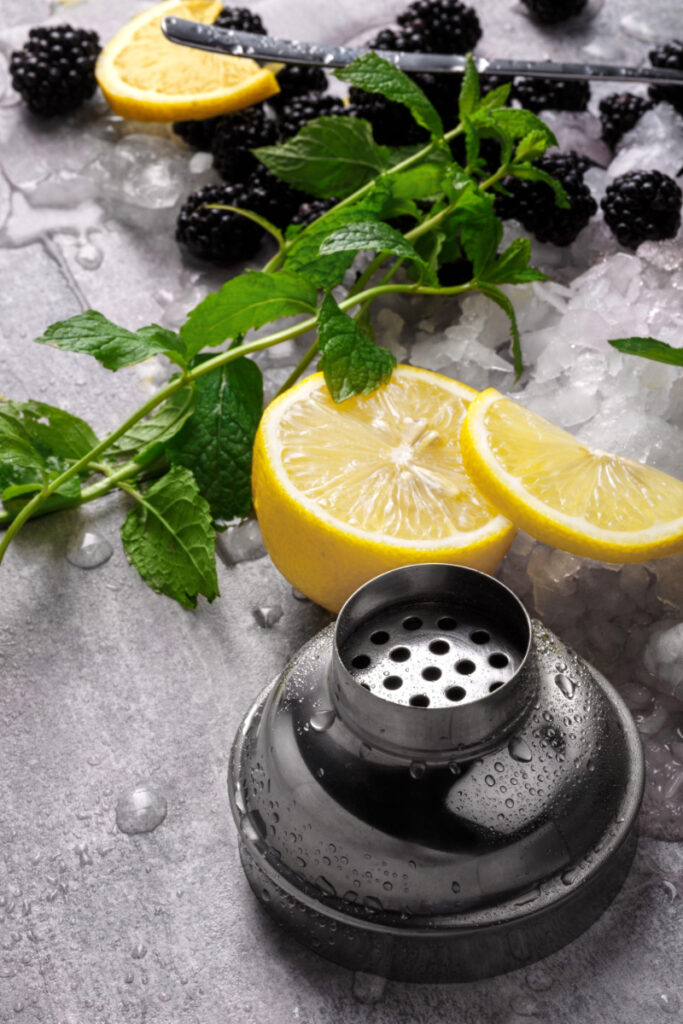
That’s where lemon, lime, orange and other citrus directions become interesting.
Blackberry brings the darker berry character.
Citrus can bring the light.
Together, they can create the kind of push-and-pull that works especially well when you’re developing something meant to feel refreshing rather than heavy.
Think sparkling beverages, RTDs, cold-pressed juices, lemonades, cocktail mixers, frozen treats and other applications where brightness matters.
And here’s the important part:
You’re not necessarily creating a “blackberry-lemon product.”
You may simply be using citrus to tell consumers what kind of blackberry experience they’re about to have.
That’s a very different formulation conversation.
Want Blackberry to Feel Juicy and Familiar?
Give It Another Berry.
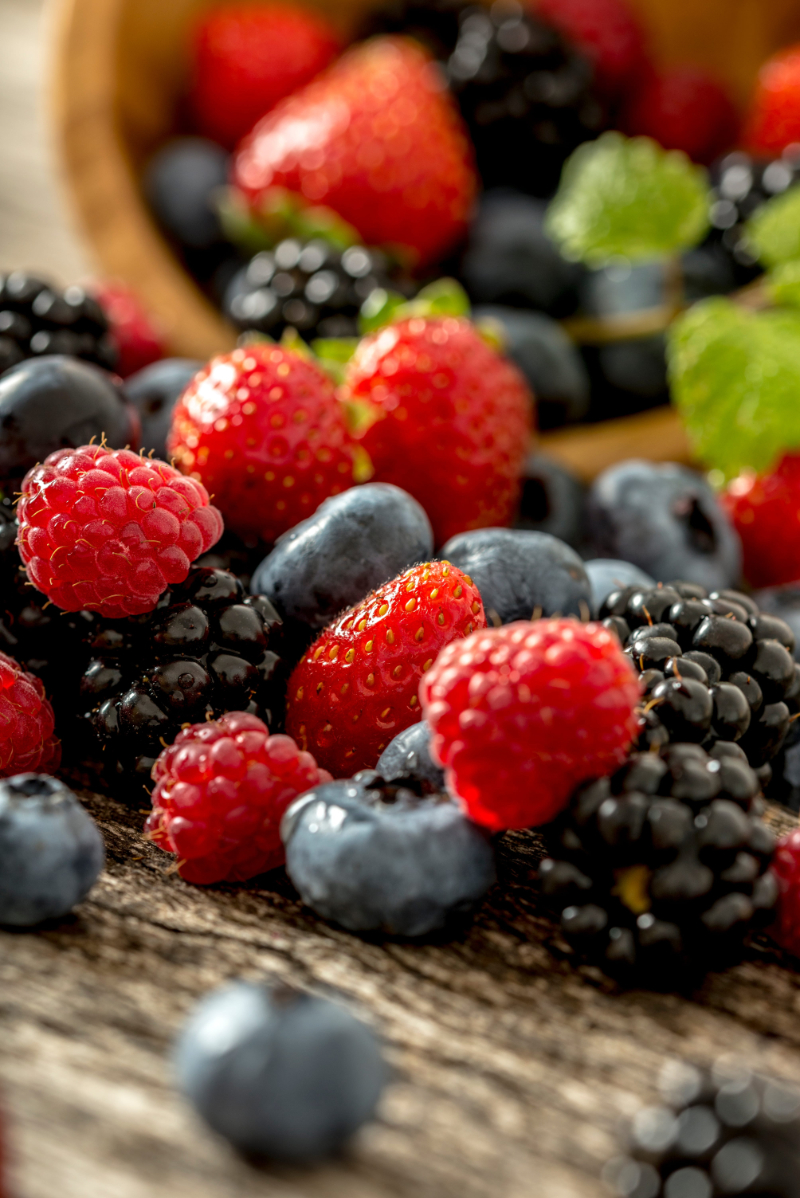
There’s nothing wrong with familiarity.
In fact, familiarity can be incredibly useful.
Blackberry paired with raspberry, strawberry, blueberry or another berry gives consumers something they understand immediately—but still leaves plenty of room for product developers to adjust the personality.
Blackberry + raspberry?
Now you’ve got two berries with enough personality to make the tasting table interesting.
Blackberry + strawberry?
The familiar sweetness of strawberry can pull the profile in a softer, friendlier direction.
Blackberry + blueberry?
That’s a darker berry conversation altogether.
This is where the formulation team gets to decide who speaks first.
Does the consumer immediately think blackberry?
Do they think mixed berry?
Or does one fruit simply make the other more complete?
Those decisions matter in smoothies, juices, gummies, fruit snacks, frozen desserts, bakery fillings, sauces and all kinds of other food and beverage products.
Because sometimes the best pairing isn’t the one that introduces another obvious flavor.
It’s the one that makes the flavor you already have feel more finished.
Want Blackberry to Grow Up a Little?
Introduce It to Ginger.
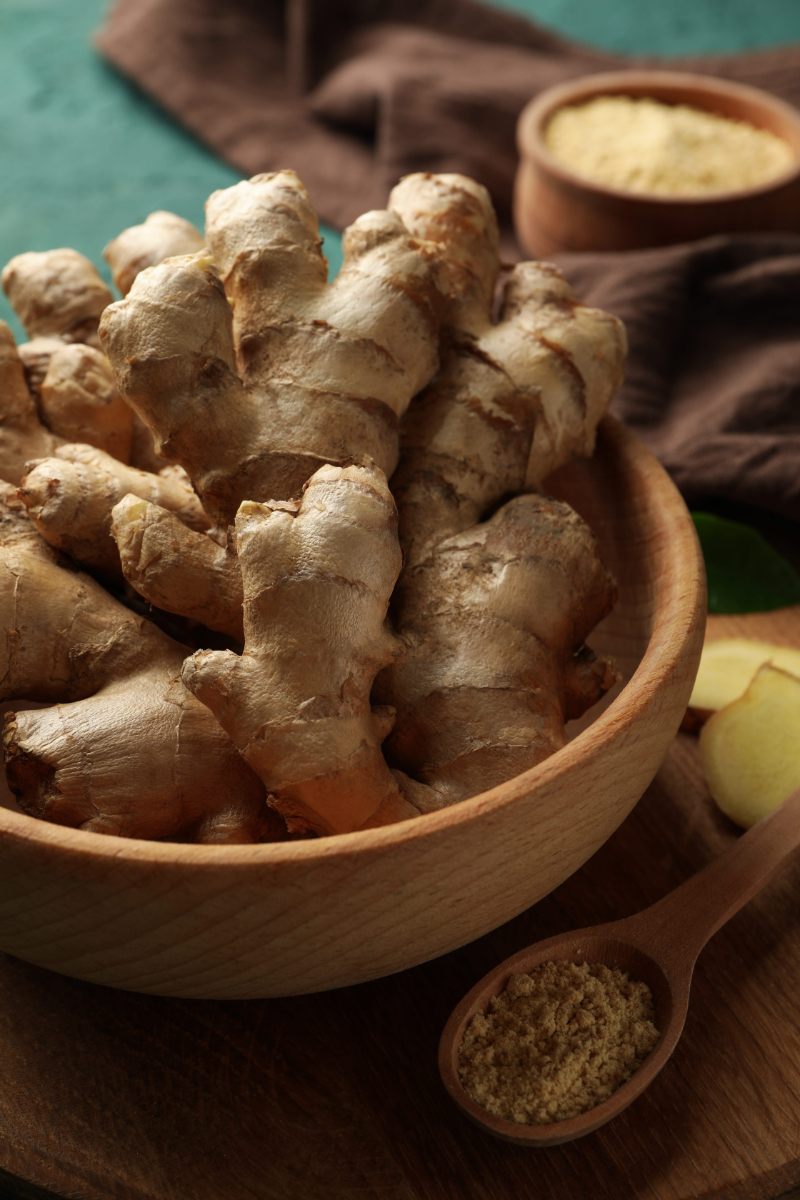
Blackberry and ginger walk into a tasting room.
Blackberry says:
“I’m the fruit.”
Ginger says:
“We’ll see.”
Now we’re having fun.
Ginger can take blackberry somewhere very different from another fruit pairing.
Instead of simply making the formulation fruitier, it can add another dimension to the experience.
That makes the combination particularly interesting for product developers working on craft beverages, functional beverage concepts, RTDs, juices, cocktail mixers, sauces and other products where the flavor brief calls for something beyond straightforward berry.
And because ginger has a personality of its own, this becomes another question of roles.
Who’s leading?
How much blackberry character do you want consumers to recognize?
Is ginger clearly part of the flavor concept, or is it there to make the finish more interesting?
There isn’t one correct answer.
That’s why there are usually six little sample cups sitting on the table.
Want Blackberry to Head Toward Dessert?
Vanilla Knows the Way.
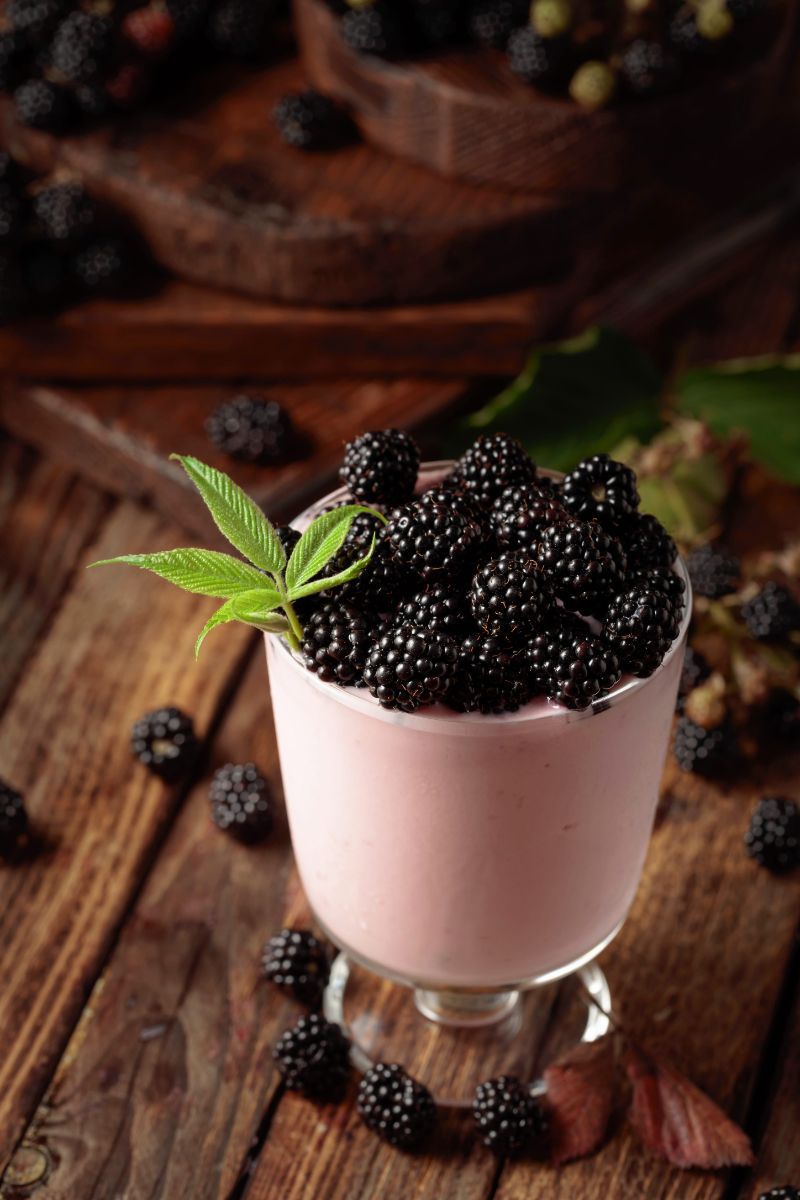
Vanilla has an interesting effect on conversations about fruit.
Put blackberry next to citrus and we’re talking about refreshment.
Put blackberry next to vanilla and suddenly somebody starts talking about cheesecake.
Funny how that happens.
Blackberry’s darker berry character can take on an entirely different personality when it’s paired with softer, richer flavor directions.
Now we’re thinking about ice cream, sorbet, frozen desserts, bakery fillings, pastry applications, dessert sauces, confections and other products where blackberry can provide fruit character and contrast.
And vanilla isn’t the only possibility.
Blackberry can also play against creamy, chocolate, bakery-inspired or other dessert profiles.
The larger idea is more useful than any individual pairing:
Sometimes you don’t change the fruit. You change the world around it.
That’s a powerful thing to remember during product development.
Want Something More Unexpected?
Put Blackberry Next to Tea.
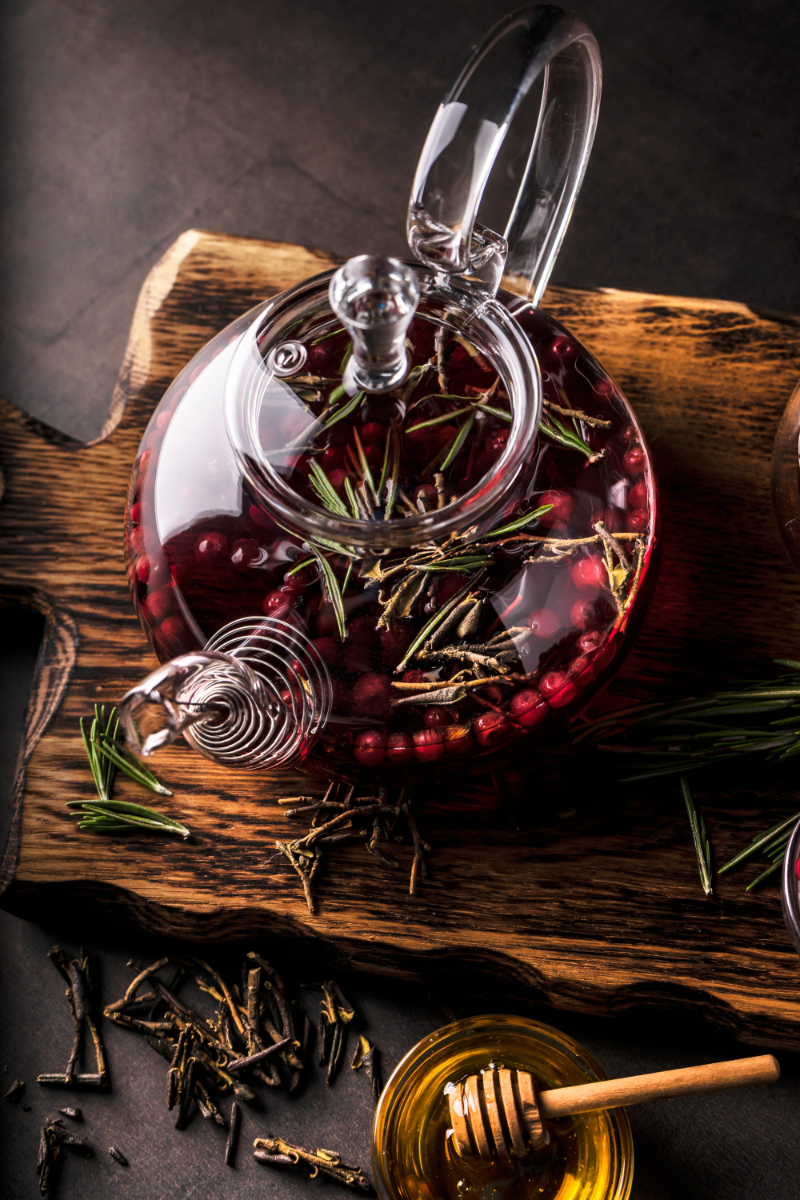
This is where the tasting meeting can get particularly interesting.
Because not every new product needs another fruit piled on top of the first one.
Sometimes the better question is:
“What else belongs in this world?”
Tea can be an interesting answer.
Blackberry already brings recognizable fruit character.
Tea can introduce another layer without necessarily turning the concept into another mixed-fruit formulation.
Suddenly you’re thinking about blackberry tea beverages, sparkling tea, botanical beverage concepts, lemonades, RTDs and other products that sit somewhere beyond a conventional juice.
And that’s exactly the kind of territory where blackberry becomes useful.
Consumers can recognize it.
Product developers can take it somewhere new.
Familiar enough to understand. Interesting enough to explore.
That’s a pretty good place for a new product to live.
The Application Changes the Story, Too
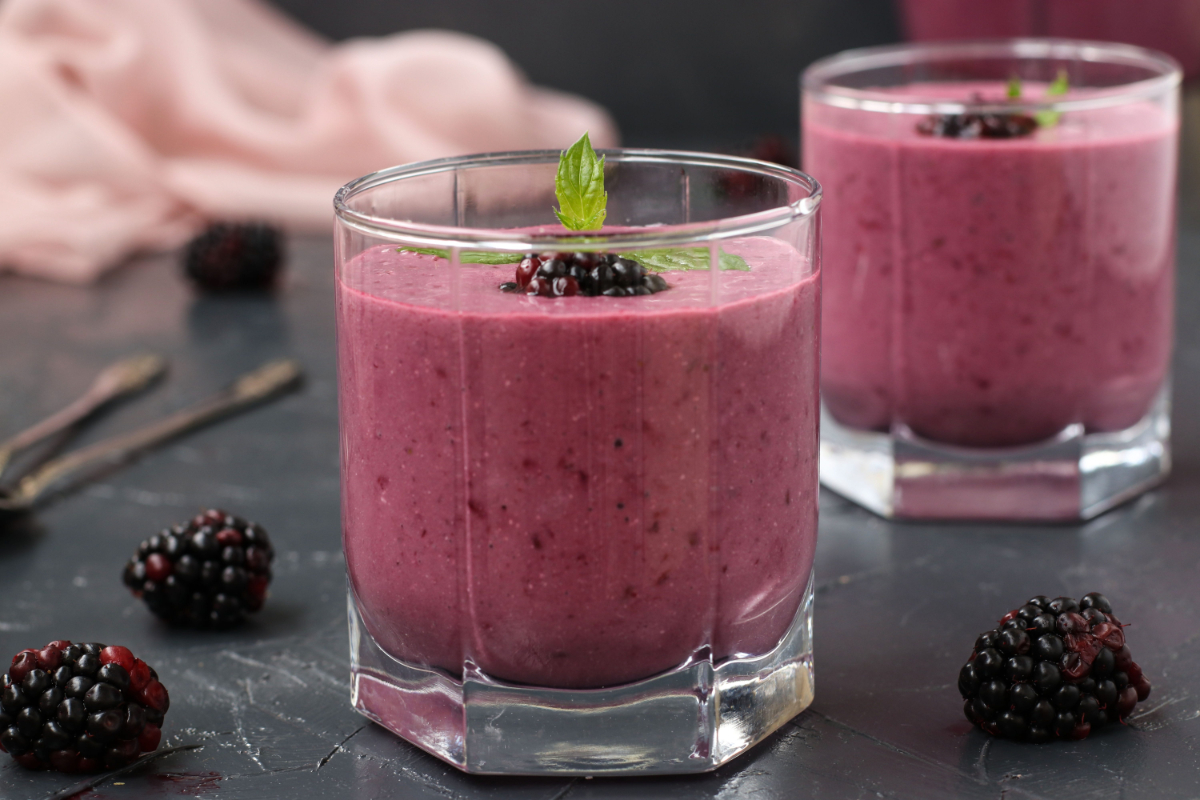
Pairings are only half of this conversation.
Because blackberry doesn’t behave conceptually the same way in every product.
A blackberry flavor profile designed for an RTD beverage has a different job from one developed for a gummy.
A smoothie isn’t a sorbet.
A bakery filling isn’t a sparkling beverage.
Obvious?
Of course.
But it’s surprisingly easy to start with the ingredient instead of starting with the experience.
So let’s flip it around.
If You’re Developing an RTD or Beverage…
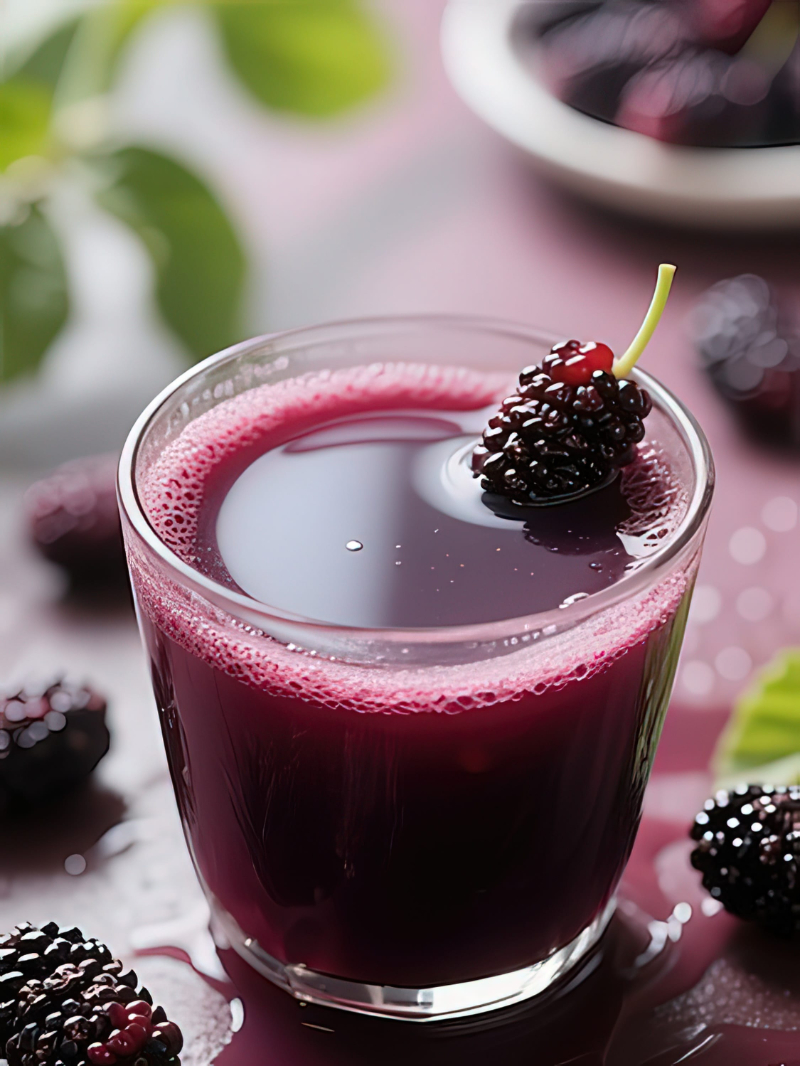
Ask what should happen after the first sip.
Should blackberry feel crisp and refreshing?
Fruit-forward and juicy?
More sophisticated?
Do you want consumers to recognize blackberry immediately, or should it be part of a larger flavor experience?
Those answers can point you toward very different blackberry beverage formulations.
If You’re Developing a Smoothie or Juice…
Blackberry may be sharing the blender with several other strong personalities.
Mango.
Strawberry.
Banana.
Blueberry.
Maybe citrus.
Everybody has something to say.
The trick isn’t simply getting all the fruits into the formulation.
It’s deciding who gets the microphone.
If You’re Developing Gummies or Confections…
Now the experience changes again.
You’re working in a completely different format, and the flavor needs to make sense within that product.
Blackberry can lead.
It can become part of a mixed-berry profile.
Or it can be paired with a contrasting flavor that makes the concept considerably more interesting than:
“We made a blackberry gummy.”
Nothing against blackberry gummies.
We’re just saying the development meeting doesn’t have to end there.
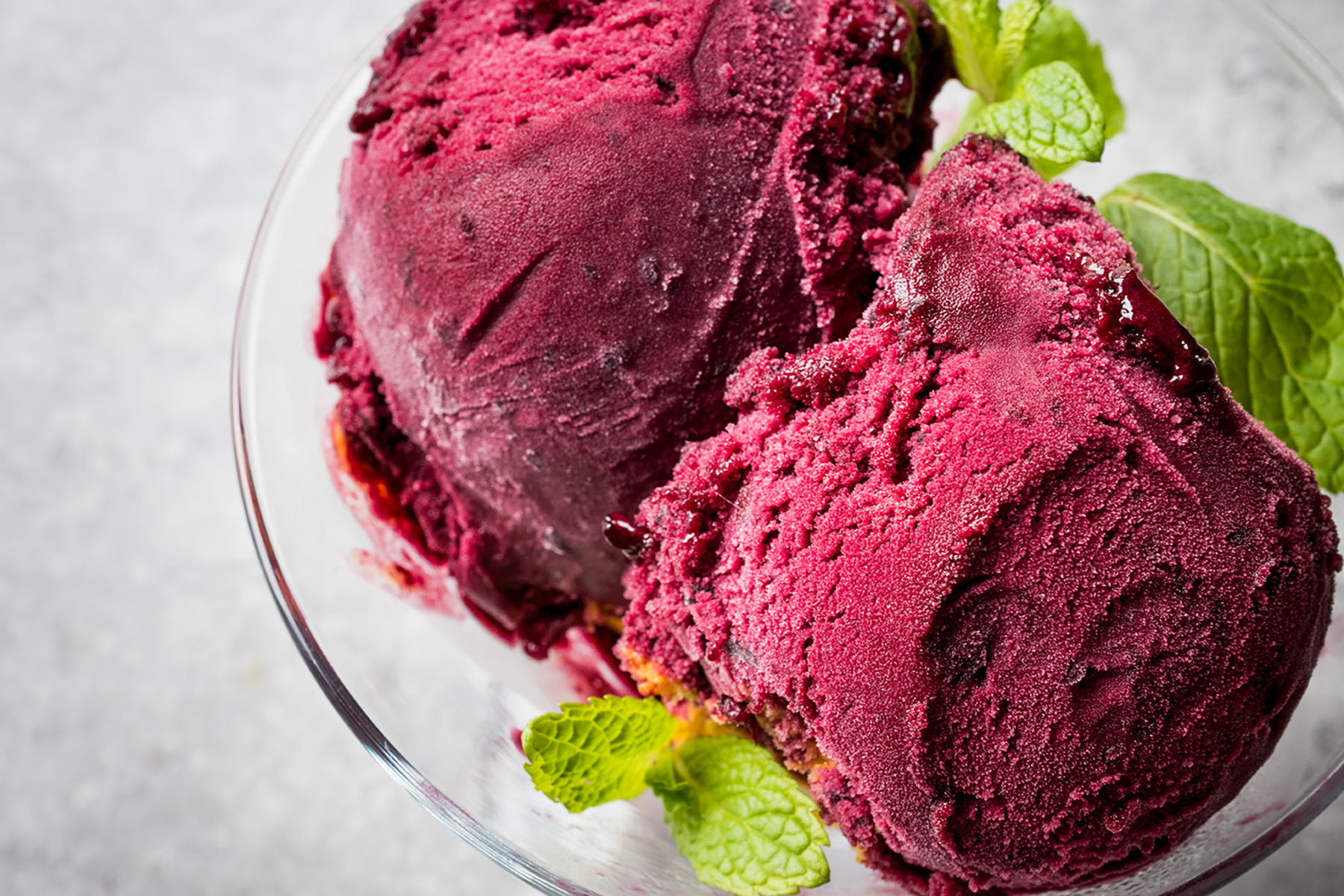
If You’re Developing Sorbet or Frozen Desserts…
Blackberry looks around.
Sees the dessert menu.
“I think I’ll be fine from here.”
This is a place where blackberry can be very comfortable taking center stage.
Or it can work against vanilla, citrus, other berries and complementary flavors to create something more layered.
The question is the same:
What experience are you trying to create?
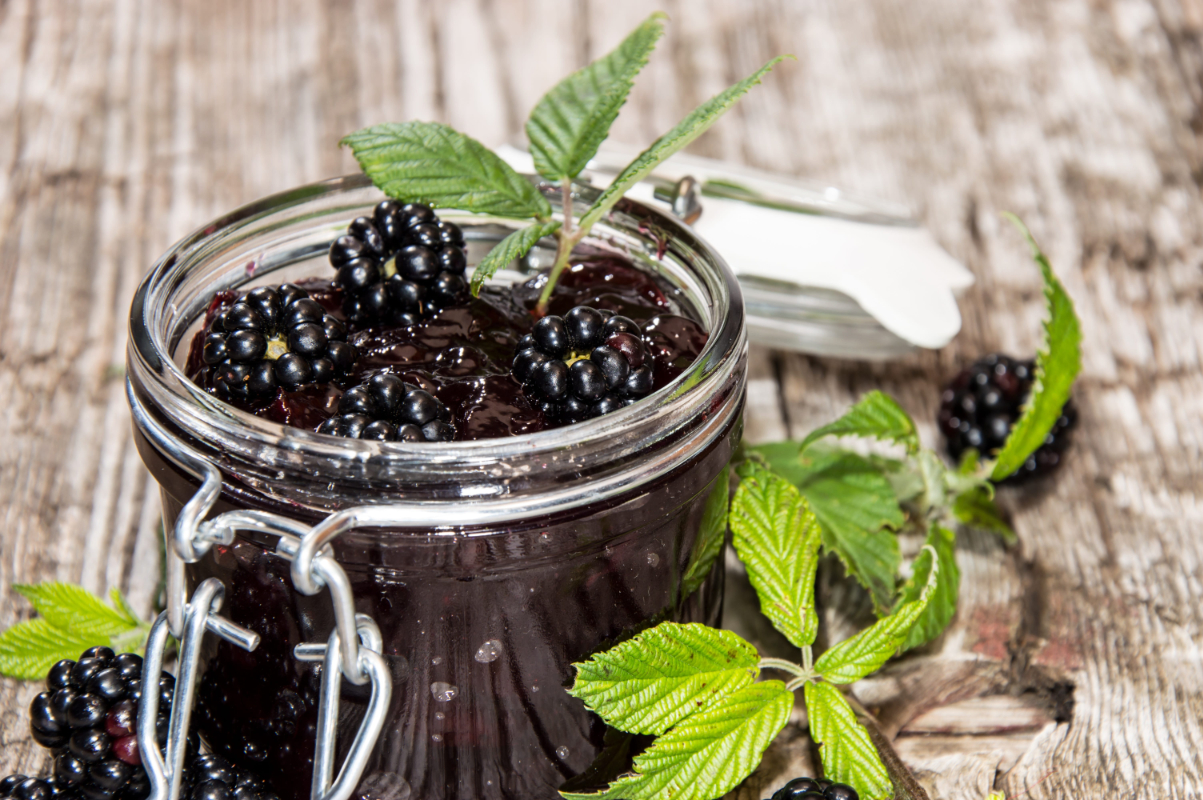
If You’re Developing a Filling, Sauce or Dessert Component…
Here’s where contrast can become especially interesting.
Blackberry doesn’t necessarily have to carry the entire product.
It may be there to provide the fruit moment.
The brighter note.
The darker berry character against something richer.
Sometimes the ingredient doing the most important work isn’t the ingredient with the biggest name on the package.
Passion fruit taught us that last month.
Blackberry apparently got the memo.
Don’t Ask What Goes With Blackberry. Ask Where You Want to Take It.
There's a reason searches like “what flavors pair with blackberry?” are useful.
Everybody needs somewhere to start.
But product development gets much more interesting one question later.
Instead of:
“What pairs with blackberry?”
Try:
“What should this product feel like?”
If the answer is bright and refreshing, your pairing decisions start moving in one direction.
If it’s rich and dessert-like, they move somewhere else.
If it’s familiar but not predictable, that’s another path.
If it’s something consumers haven’t quite had before…
Well.
Pull up another sample cup.
We may be here awhile.
Sometimes the Best Flavor Decision Isn’t Adding More Flavor
This may be our favorite part.
Because when a formulation isn’t quite there yet, the instinct can be:
More.
More fruit.
More sweetness.
More flavor.
More something.
But sometimes the better answer isn’t more blackberry.
It’s giving the blackberry that’s already there a better supporting cast.
Something bright beside it.
Something soft underneath it.
Something unexpected at the finish.
Something that changes how the consumer experiences the fruit without completely changing the fruit itself.
That’s the creative part.
And it’s why flavor development will always be more interesting than filling out an ingredient list.
Same Blackberry. Completely Different Story.
So what can you do with blackberry purée?
Plenty.
You can develop blackberry beverages and RTDs.
Cold-pressed juices and smoothies.
Gummies and confections.
Sorbet and frozen desserts.
Bakery fillings and dessert applications.
Sauces and other manufactured food products.
But that’s still not the most interesting question.
The interesting question is:
What do you want your blackberry to become?
Bright?
Juicy?
Rich?
Refreshing?
Familiar?
Unexpected?
Because blackberry has a dark side.
It has a bright side, too.
A sophisticated side.
A dessert side.
And apparently a side that likes hanging around with ginger after hours.
You just have to decide which one you’re inviting to the tasting.
Frequently Asked Questions About Blackberry Purée
What Are You Developing?
If blackberry is on the development board—or this article just put it there—we’d love to hear what you’re working on.
At Pureé Arête, we work with product developers and manufacturers exploring fruit purée for beverages, RTDs, juices, smoothies, confections, frozen desserts, fillings and other food applications.
Tell us what you’re trying to make.
Because sometimes the best place to start isn’t:
“How much blackberry should we use?”
It’s:
“Okay…where do we want to take this?”
And that’s a much more interesting conversation.