




Passion Fruit Has Main-Character Energy.
Smart Formulators Know When to Let It Lead.
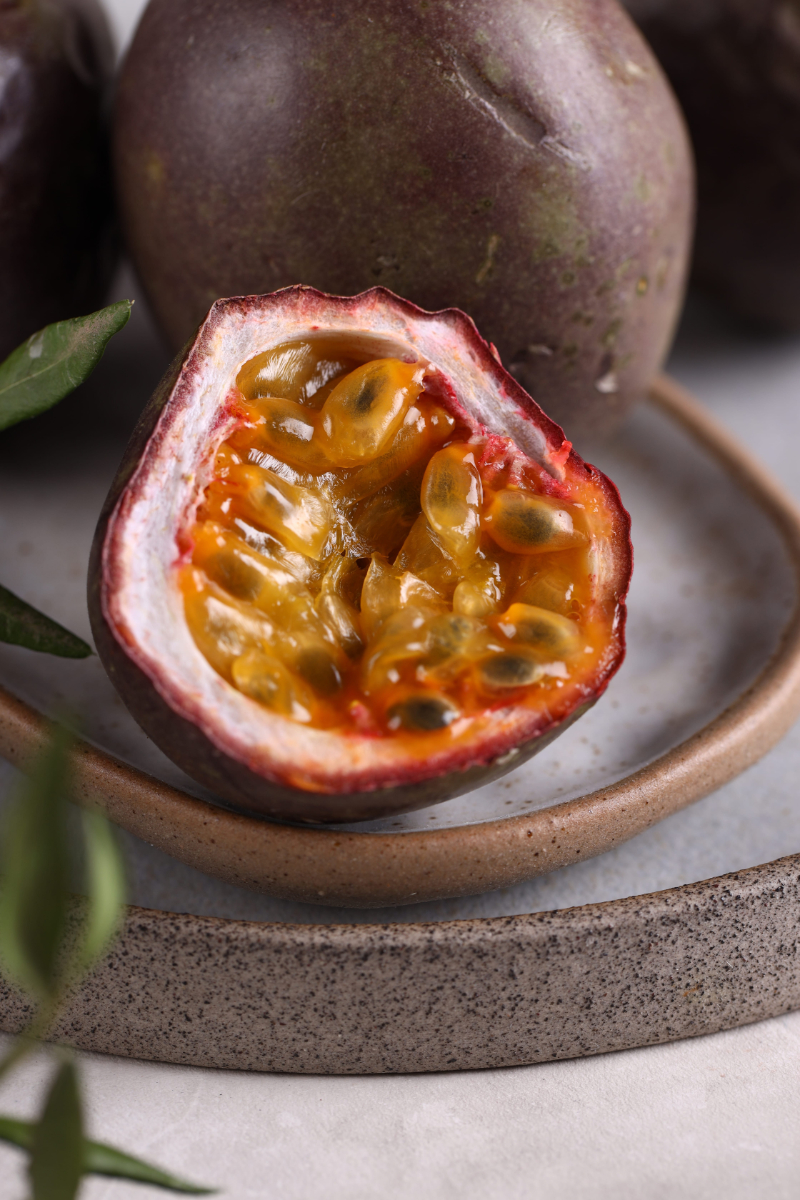
There’s usually a moment in a tasting when passion fruit shows up.
Someone takes a sip.
There’s a pause.
Then somebody says:
“Well… you can definitely taste the passion fruit.”
And there it is.
The challenge. The opportunity. And, occasionally, the beginning of a very long afternoon.
Because passion fruit has never entered a formulation quietly.
It’s bright. Tart. Tropical. Aromatic. Memorable.
In other words, passion fruit has main-character energy.
And that’s exactly what makes it so much fun to work with.
The trick isn’t figuring out whether passion fruit has enough personality.
It does.
The more interesting question is:
What job do you want it to do?
Sometimes passion fruit should be the star.
Sometimes it should make another flavor better.
And sometimes it should wander into the formulation, cause just enough trouble to make things interesting, and leave everyone at the tasting table wondering why they hadn’t tried that combination sooner.
Let’s talk about all three.
When Passion Fruit Gets Top Billing
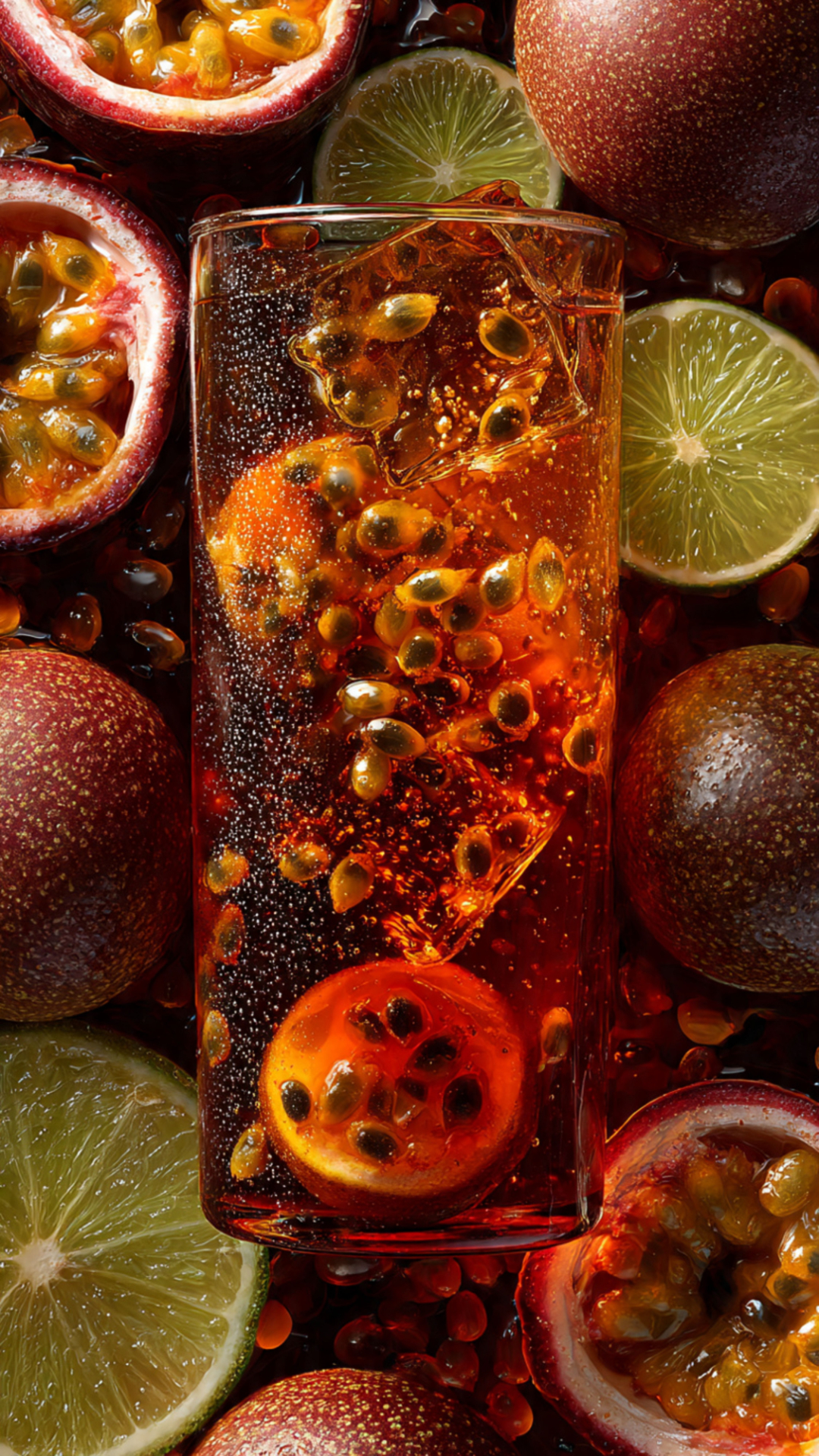
There are products where subtlety isn’t the assignment.
You want the first sip, bite, or spoonful to immediately tell the customer:
This is passion fruit.
That’s when you let it lead.
Think tropical RTDs, fruit-forward beverages, cold-pressed juices, sorbets, frozen desserts, cocktail mixers, gummies, and other products where a bright, distinctive flavor is part of the appeal.
Passion fruit brings an unmistakable sweet-tart character that can make a formulation feel lively before you’ve even started building around it.
But giving passion fruit the lead doesn’t mean everything else needs to disappear.
Quite the opposite.
A good supporting cast can make the star even better.
Mango can bring roundness.
Pineapple can push the tropical character in another direction.
Citrus can lean into the brightness.
Vanilla or coconut can soften the edges.
That’s the fun of letting passion fruit lead: you’re not trying to make it behave.
You’re deciding what kind of stage to build around it.
Then There Are Times Passion Fruit Shouldn’t Get Its Name on the Marquee
This is where things get interesting.
Sometimes passion fruit is more useful when it isn’t the first thing someone identifies.
Imagine you’re developing a mango beverage.
The mango tastes good.
Perfectly respectable mango.
Everyone around the table agrees.
And somehow, nobody looks particularly excited.
Then someone says:
“What if we gave it a little passion fruit?”
Now the mango has more lift.
There’s more contrast.
The flavor feels brighter.
Suddenly people are reaching for another sample.
That’s a very different job for passion fruit.
It isn’t there to turn the product into Mango-Passion Fruit Spectacular: The Musical.
It’s there to help mango be a more interesting version of itself.
Sometimes passion fruit is the headline.
Sometimes it’s the reason the headline works.
Passion Fruit Plays Surprisingly Well With Others
For something with such a big personality, passion fruit is remarkably social.
For something with such a big personality, passion fruit is remarkably social. Its naturally aromatic, acidic character is one reason passion fruit works so well alongside other juices and flavors—a versatility also noted by food and horticultural researchers at the University of Florida.
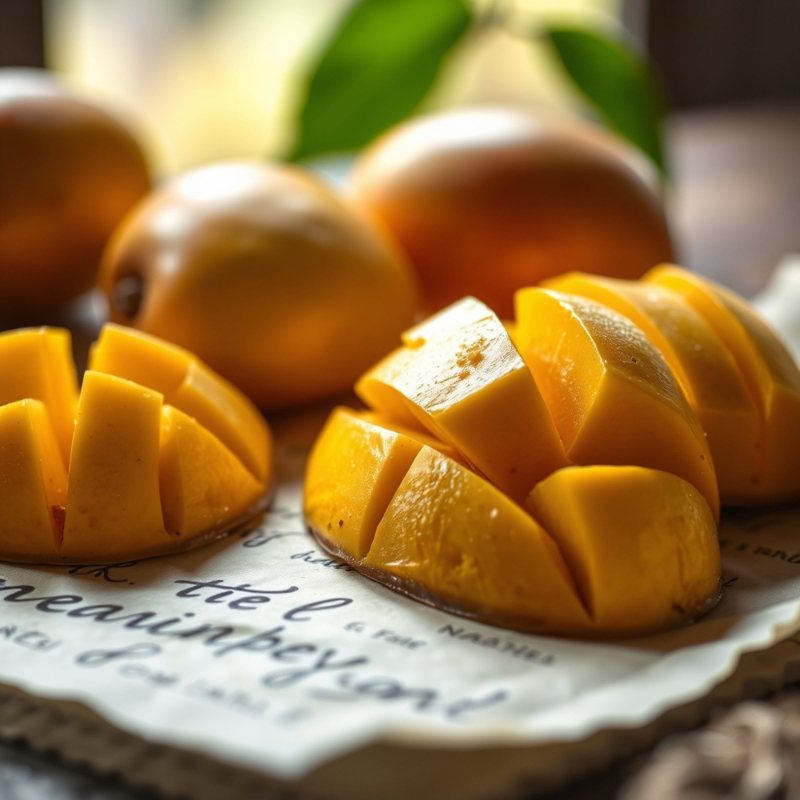
Passion Fruit + Mango
This pairing makes sense for a reason.
Mango brings soft, rounded tropical character. Passion fruit brings brightness and tartness.
One fills in where the other pulls forward.
It’s the flavor equivalent of the friend who says, “I’ll drive,” and the friend who already has the playlist ready.
Passion Fruit + Pineapple
Now we’re leaning all the way into tropical.
Pineapple brings its own bright acidity and familiar flavor while passion fruit adds another aromatic dimension.
For the right product, there’s no reason to be shy about it.
It’s the flavor equivalent of the friend who says, “I’ll drive,” and the friend who already has the playlist ready.
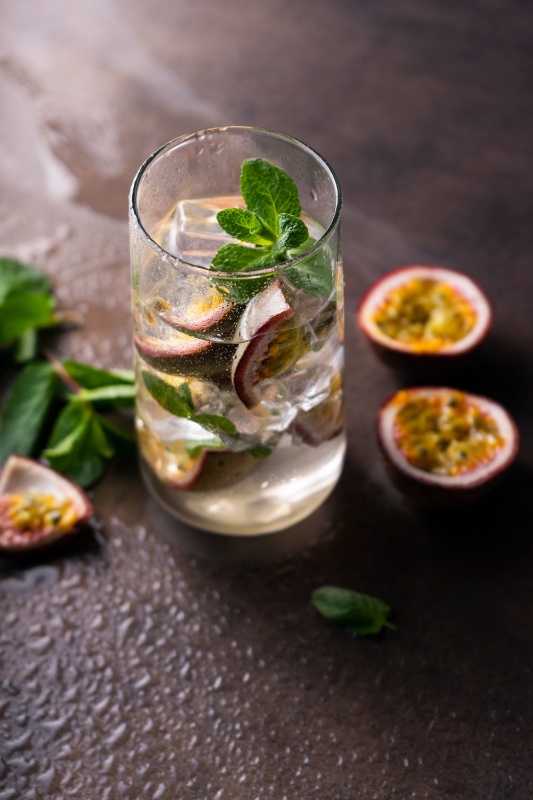
Passion Fruit + Citrus
Orange, lemon, lime and other citrus flavors already know their way around acidity.
Passion fruit can add tropical complexity without requiring the finished product to become heavy or overly sweet.
This can be particularly interesting when you’re trying to create something refreshing rather than dessert-like.
Passion Fruit + Berry
This is where the conversation gets fun.
Strawberry and passion fruit.
Raspberry and passion fruit.
Blueberry and passion fruit.
Berry flavors bring familiarity. Passion fruit can bring the surprise.
That’s useful when you want a product consumers understand immediately but don’t want it to taste exactly like everything they’ve had before.
Passion Fruit + Coconut or Vanilla
Sometimes the loudest person at the party just needs someone calm to stand next to.
Coconut and vanilla can bring a softer, creamier flavor impression against passion fruit’s brightness.
That’s particularly interesting for smoothies, frozen desserts, creamy beverages, fillings, and other applications where contrast can create the experience.
The Application Changes the Conversation
Here’s where a flavor guide becomes more useful than a list of pairings.
Because “What goes with passion fruit?” isn’t really enough information.
What are you making?
That changes everything.
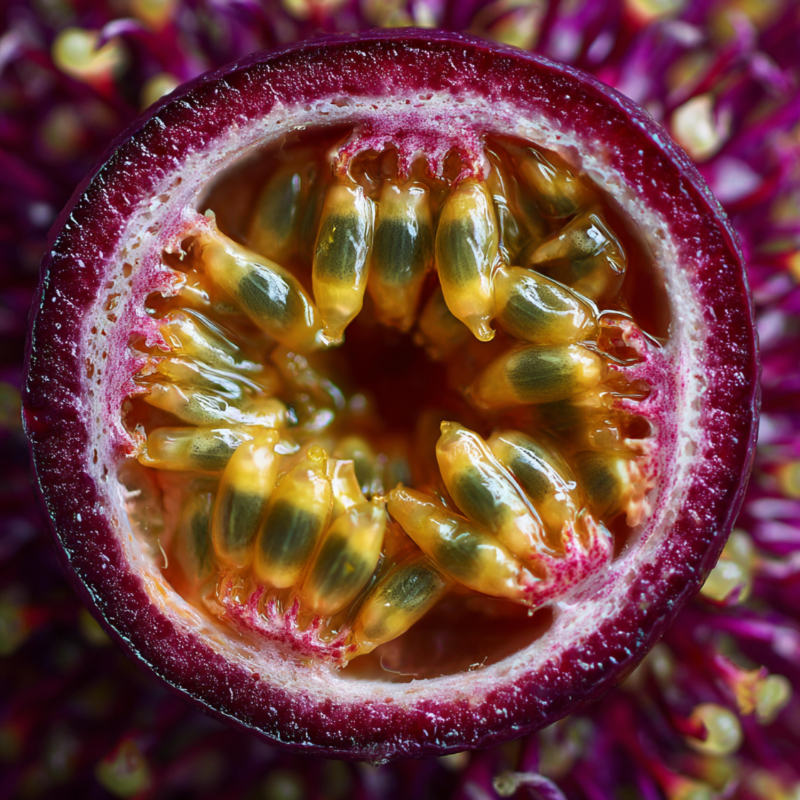
If You’re Developing an RTD Beverage…
You’re thinking about the whole drinking experience.
Does passion fruit announce itself immediately?
Does it build?
Does another fruit lead?
Is the finished drink supposed to be refreshing, tropical, sophisticated, familiar, adventurous—or some combination of those?
A passion fruit-forward sparkling beverage has a very different job from a mango RTD where passion fruit is providing contrast in the background.
Same ingredient.
Different assignment.
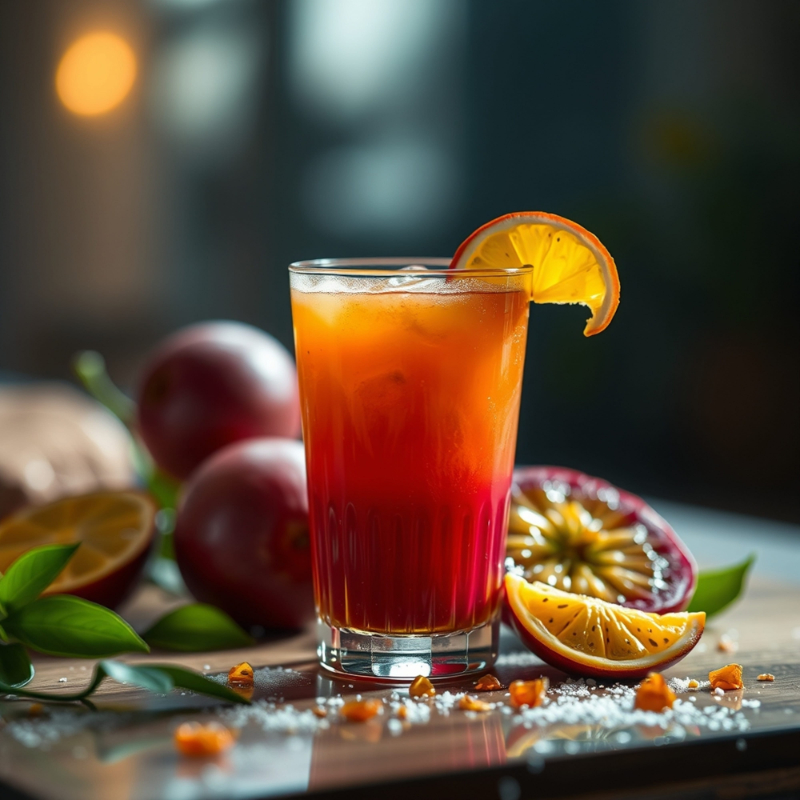
If You’re Making Cold-Pressed Juice…
Now passion fruit is joining a room where the other ingredients already have plenty to say.
Maybe you’re working with orange.
Pineapple.
Mango.
Berries.
Ginger.
Greens.
The question becomes one of balance.
Passion fruit can provide brightness and tropical character, but the goal isn’t necessarily to make every juice taste like passion fruit.
Sometimes you want the customer to ask:
“What’s making this so good?”
That’s a wonderful place for a supporting flavor to be.
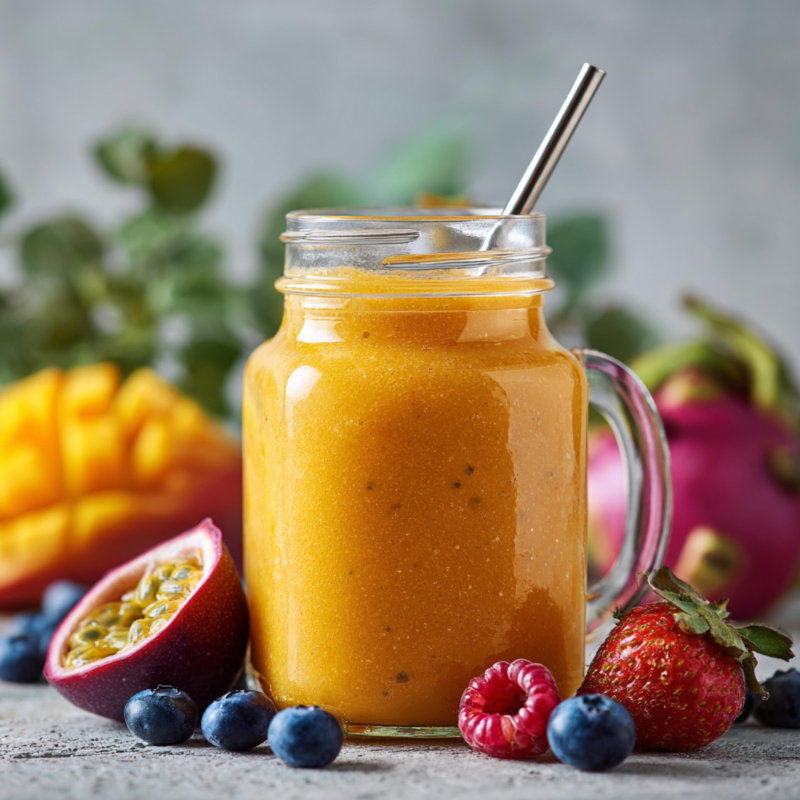
If You’re Developing a Smoothie…
Smoothies give passion fruit a completely different playground.
Banana, mango, coconut and other fuller-bodied ingredients can create a softer foundation for its tart tropical character.
That contrast can keep a smoothie from becoming one-note.
And let’s be honest: we’ve all had a smoothie that tasted like somebody put six perfectly nice ingredients into a blender and somehow made beige.
Passion fruit does not have a beige personality.
Used thoughtfully, it can bring some life back into the conversation.
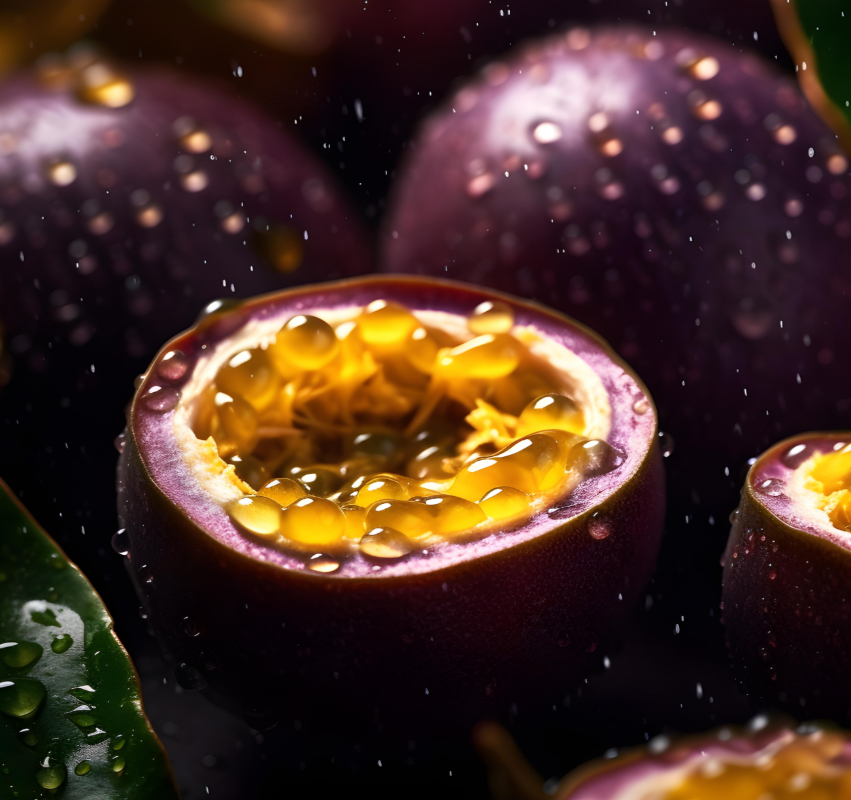
If You’re Making Gummies or Confections…
Now you’re working in a smaller space.
Every bite has to deliver.
A recognizable, energetic flavor like passion fruit can make sense as the lead, but it can also create interesting combinations with familiar fruits.
Mango-passion fruit is easy for consumers to understand.
Raspberry-passion fruit feels a little more unexpected.
Passion fruit-citrus can go in another direction entirely.
The point isn’t to find the “correct” pairing.
It’s to decide what experience you’re trying to create and build backward from there.

If You’re Making Sorbet or Frozen Desserts…
Passion fruit seems very comfortable here.
Maybe too comfortable.
Give it five minutes and it’ll start rearranging the furniture.
Its bright character can make it a natural centerpiece for a fruit-forward frozen dessert, while creamier or sweeter surrounding flavors can create contrast.
This is also where pairings like passion fruit with coconut, mango, vanilla, berry, or citrus can take on entirely different personalities.
One fruit.
A lot of possible stories.
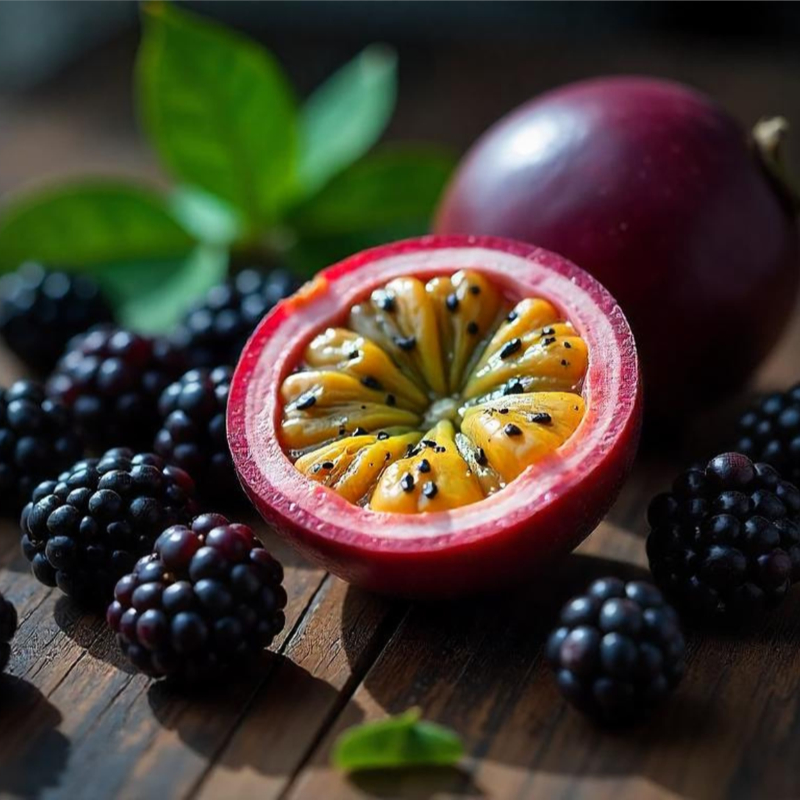
If You’re Developing Fillings, Bakery or Dessert Applications…
Here’s another opportunity to think beyond “passion fruit-flavored.”
A passion fruit component can provide contrast against rich, sweet, creamy, chocolate, vanilla, or fruit-forward elements.
Sometimes the ingredient doesn’t need to dominate the entire dessert.
It needs to make the next bite more interesting.
That’s an important distinction.
Here’s the Part We Think Product Developers Already Know
The best formulation decisions rarely start with:
“What’s popular?”
They start with:
“What are we trying to make?”
Then:
Who is it for?
What should the first taste feel like?
What should happen next?
Do we want familiar?
Unexpected?
Refreshing?
Indulgent?
Bold?
Balanced?
And only then:
What should passion fruit do?
That’s a much more useful question than simply asking whether passion fruit “works” in an application.
Because passion fruit works in a lot of places.
The artistry is deciding how it works.
Lead. Support. Or Cause a Little Trouble.
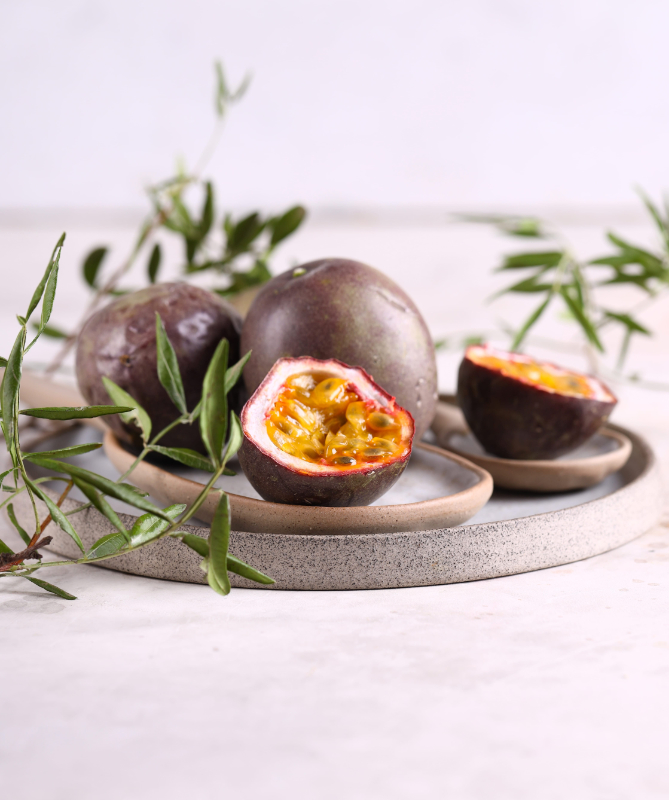
That’s our unofficial passion fruit framework.
Let it lead when you want bright tropical character to define the product.
Let it support when another fruit needs acidity, contrast, aroma, or a little more personality.
Let it cause a little trouble when the formulation is technically fine but nobody at the tasting table is reaching for a second sample.
That third category might be our favorite.
Because sometimes the difference between a perfectly good product and a memorable one is one unexpected idea.
And plenty of great products have started with someone looking across a tasting table and saying:
“Okay… hear me out.”
So, What Role Does Passion Fruit Play in Your Next Product?
Maybe you’re developing a new RTD.
Maybe it’s a cold-pressed juice, smoothie, gummy, sorbet, filling, frozen dessert, cocktail mixer, craft beverage, or something we haven’t mentioned at all.
Start with the product you’re trying to create.
Then decide what you need passion fruit to do.
Lead?
Support?
Or walk into the formulation and shake things up a little?
Because passion fruit has plenty of personality.
The fun part is deciding what to do with it.
Frequently Asked Questions About Passion Fruit Purée
Ready to See What Passion Fruit Can Do in Your Next Product?
If passion fruit has made its way onto your development board—or this article just put it there—explore Purée Arêté Passion Fruit Purée and see where the idea takes you.
Whether you’re experimenting with a new pairing or developing something for production, sometimes the next great product starts with a very simple question:
“What if we tried passion fruit?”