


Some Ingredients Come Back Every Year.
Pumpkin Comes Back for a Reason.
Why one familiar ingredient continues to inspire food and beverage manufacturers year after year.

Somewhere around August, it starts.
Not outside.
Inside.
In product development meetings.
Around tasting tables.
In pilot kitchens.
Somewhere, someone opens a notebook from last year.
Someone else pulls a few frozen samples from the freezer.
A brewer asks if this year’s pumpkin ale should be just a little bolder.
A smoothie developer wonders if pumpkin and pear might be worth another try.
A dessert team debates maple versus brown butter.
A baby food manufacturer starts thinking about harvest flavors parents already know and trust.
A pet food developer circles pumpkin on a whiteboard because they know customers love seasonal recipes, too.
No one says, “Pumpkin season is here.”
They don’t have to.
Everyone can feel it.
The funny thing is…consumers think pumpkin season starts much later.
![Group of bright orange pumpkins piled in a rustic wooden wagon, ready for harvest. [informative] (Autumn scene)](https://www.pureearete.com/wp-content/uploads/2026/07/pumkins-for-fall.jpg "Pumpkins in a wooden cart on a background of green grass | Puree Arete")
Most people think pumpkin arrives when the coffee shops change their menus.
Or when the first leaves turn orange.
Or maybe when they spot pumpkins outside the grocery store.
The people making those products know better.
Pumpkin season begins months before anyone takes that first sip or first bite.
It begins with ideas.
With conversations.
With tasting spoons.
With comments like…
“I love where this is going…but it needs something.”
Or…
“Let’s try one more batch.”
Consumers never see that part.
But honestly?
It’s one of the best parts of the job.
Pumpkin Isn’t Seasonal.
It's emotional.

Think about the last truly memorable pumpkin product you enjoyed.
You probably don’t remember the nutrition panel.
You probably don’t remember the ingredient list.
You remember where you were.
Maybe it was the first cool Saturday morning after a long summer.
Maybe it was a brewery with friends.
Maybe it was a smoothie after an apple orchard visit.
Maybe it was dessert at Thanksgiving.
That’s what pumpkin has always done exceptionally well.
It helps create memories.
Very few ingredients can say that.
Pumpkin Isn’t Trying to Be the Star.

One of the biggest misconceptions about pumpkin is that it’s supposed to dominate the flavor.
Experienced product developers know that’s rarely the goal.
Pumpkin purée isn’t always there to steal the spotlight.
Sometimes it’s there to bring everything else together.
It gives body to smoothies.
Adds richness to soups and sauces.
Creates a velvety texture in desserts.
Brings depth to seasonal beers.
Rounds out RTD beverages.
Balances warm spices.
Supports apple without competing.
Softens ginger.
Lifts maple.
Makes oat feel creamier.
It’s less like the lead singer.
More like the entire rhythm section.
You notice when it’s missing.
Every Company Uses Pumpkin a Little Differently

That’s one of our favorite things about this industry.
Ask ten manufacturers how they use pumpkin purée.
You’ll probably hear ten different answers.
One company is developing a limited-edition smoothie.
Another is planning a pumpkin chai RTD.
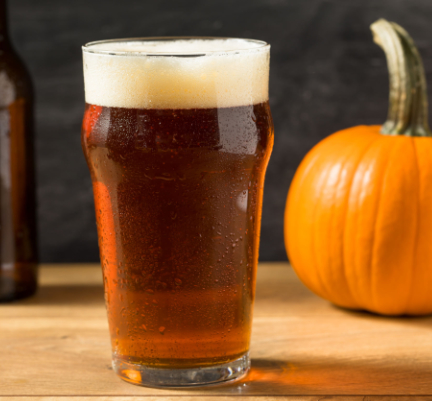
Craft brewers continue to find new ways to use pumpkin in seasonal releases, proving that this familiar ingredient still has room to surprise.
A frozen dessert team is chasing the perfect texture.
A bakery manufacturer is experimenting with fillings.
Someone else is creating premium pet treats.
A baby food brand is looking for simple, recognizable ingredients that fit naturally into autumn.
Different products.
Different customers.
Different goals.
Yet everyone starts with the same question.
“What can we create this year?”
Pumpkin Gives Creative People Room to Create

That’s probably the real reason pumpkin keeps coming back.
Not because consumers expect it.
Because manufacturers never stop discovering new ways to use it.
Every season brings new flavor pairings.
Pumpkin with cranberry.
Pumpkin with pear.
Pumpkin with chai.
Pumpkin with espresso.
Pumpkin with dark chocolate.
Pumpkin with turmeric.
Pumpkin with oat.
Pumpkin with black tea.
Some ideas become best sellers.
Some never make it past the tasting room.
That’s part of the fun.
Innovation isn’t always about inventing something completely new.
Sometimes it’s about seeing something familiar with fresh eyes.
Consumers Count Down to Pumpkin…Without Even Realizing It
Here’s something we’ve all noticed.
Someone will say,
“It’s way too early for pumpkin.”
Usually while holding an iced coffee.
Then, two weeks later…
They’re the first person asking where the pumpkin products are.
It happens every year.
Researchers have even found that seasonal foods can trigger powerful emotional associations tied to memories, traditions, and familiar experiences—one reason certain flavors never seem to go out of style.
And honestly, we wouldn’t have it any other way.
Because pumpkin has quietly become something bigger than a seasonal ingredient.
It’s become part of how people welcome fall.
Some Ingredients Follow Trends.
Pumpkin Creates Traditions.
Food trends come and go.
Every year brings a new flavor, a new color, or a new “must-have” ingredient.
Some disappear almost as quickly as they arrive.
Pumpkin never really leaves.
That’s not just our observation. Consumer interest in pumpkin continues to return year after year, making it one of the most recognizable seasonal ingredients in food and beverage. According to the National Agricultural Statistics Service (NASS), pumpkins remain one of America’s most widely grown specialty crops, supporting countless seasonal products across the country.
It waits.
Then returns when people are ready for it.
Not because anyone tells them to buy it.
Because it reminds them of something they already love.
That’s a remarkably rare quality.
And it’s one reason manufacturers continue reaching for pumpkin purée—not simply because it’s seasonal, but because it helps create products people genuinely look forward to.
Pumpkin also continues to evolve beyond traditional recipes as manufacturers explore new applications and flavor combinations.
The Next Great Pumpkin Story Is Probably Being Created Right Now
Somewhere, a product developer is making one more adjustment.
A brewer is tasting one more sample.
A chef is trying one more pairing.
A formulation team is debating whether to add just a little more spice.
Someone is smiling because…
“I think we’ve got it.”
Consumers may never see those moments.
But they’ll taste the result.
And that’s the reason pumpkin comes back every year.
Not because it’s tradition.
Because it still inspires people to create something worth remembering.
Frequently Asked Questions About Pumpkin Purée
Great ideas often start with a simple ingredient.
Whether you’re developing a seasonal beverage, crafting a new dessert, formulating a baby food recipe, creating a premium pet product, or experimenting with the next fall favorite, pumpkin purée offers remarkable versatility and endless creative possibilities.
If this article sparked an idea for your next product, we’d love to help you bring it to life.
Explore our premium Pumpkin Purée or contact our team to discuss your next seasonal innovation.