



When Your Gummies Turn Sticky:
The Real Story Behind Fruit Purée & Moisture Content
How Brix, Water Activity, and Fruit Composition Impact Gummy Texture and Shelf Stability
You did everything right.
The recipe worked last month.
The texture was perfect.
The chew was clean.
The mold release was smooth.
Then suddenly…
Sticky.
Tacky.
Clinging-to-the-wrapper sticky.
What happened?
If you’re working with fruit purées in gummy production, the answer often comes down to one deceptively simple factor:
Water.
Fruit Is Mostly Water (Yes, Really)
Let’s start with the obvious but often overlooked fact:
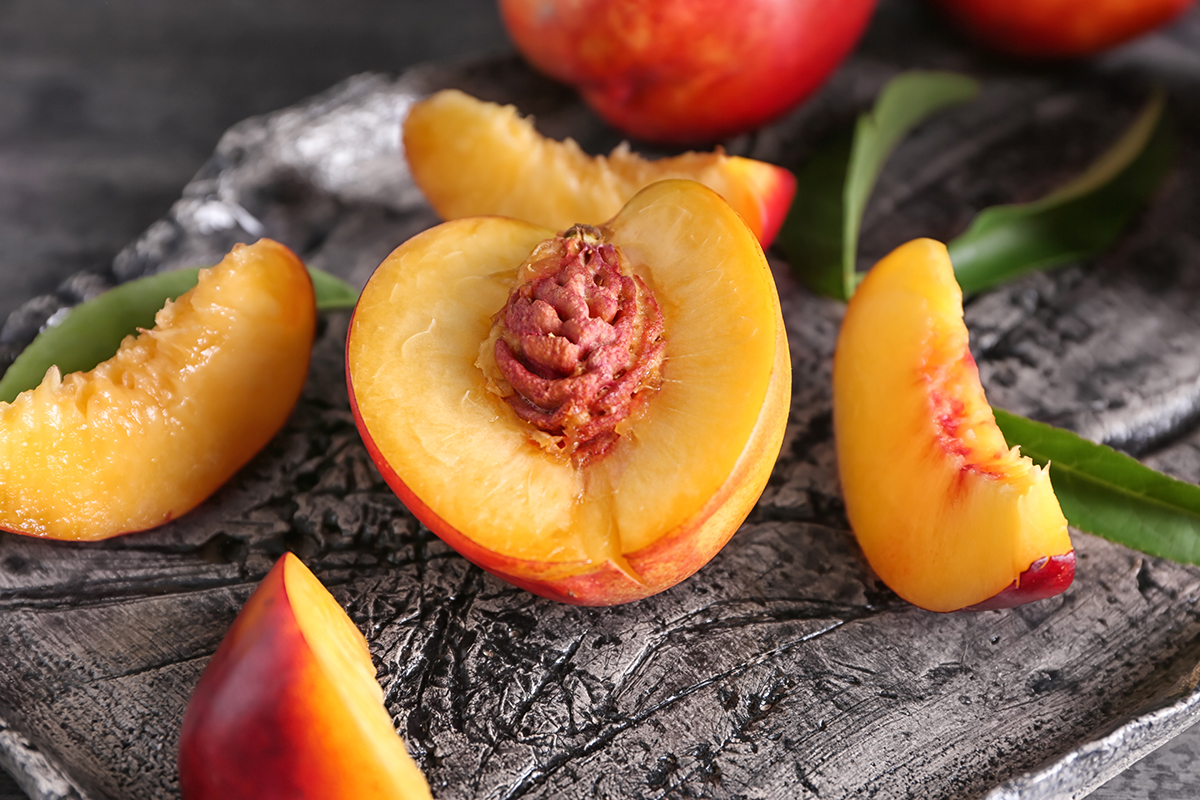
Most fruits are 80–90% water.
That means when you add fruit purée to a gummy formulation, you are not just adding flavor and color.
You are adding:
Water
Natural sugars
Acids
Fiber
Pectin (in some fruits)
Variable solids
And small differences between fruits can create big differences in final texture.
Why One Flavor Sets Perfectly… and Another Doesn’t
Here’s what often happens in gummy R&D:
Mango gummy? Perfect chew.
Strawberry gummy? Sticky mess.
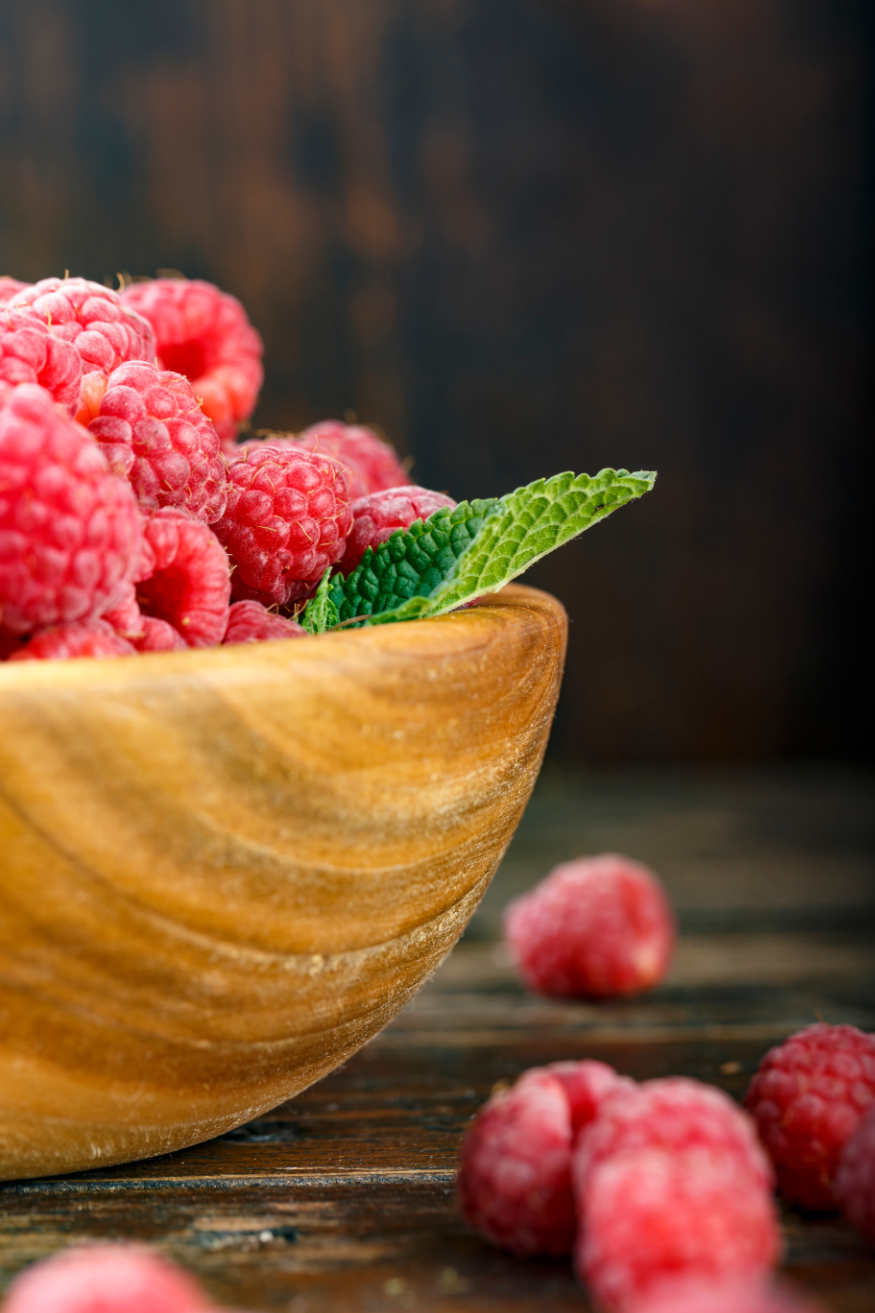
Peach? Slightly soft.
Raspberry? Firmer than expected.
The culprit is usually the balance between water activity and total soluble solids (Brix). Water activity refers to the amount of unbound moisture available in a product — a key factor in texture, stability, and microbial
In commercial gummy production, even a 1–2° Brix difference can shift final water activity enough to affect surface tack and set time.
If a purée has:
Lower Brix → More free water
Higher Brix → More solids, less free water
Even a few degrees of Brix difference can change how your:
Gelatin hydrates
Pectin sets
Starch interacts
Final water activity stabilizes
And when water activity isn’t where it should be?
You get surface tackiness, poor mold release, or shelf instability.
“But We Didn’t Add Water…”
Here’s another common question:
“Is the water natural to the fruit, or was water added?”
In most high-quality purées, the majority of the water is simply natural fruit moisture.
However, if a concentrate is reconstituted to a specific Brix level, water may be added to standardize sweetness and consistency.
The key is not whether water exists.
The key is:
What is the final Brix?
What is the pH?
What is the total solids content?
How does it interact with your gel system?
Because in gummy production, water doesn’t just “sit there.”
It participates.
The Sticky Gummy Triangle
When gummies go sticky, we usually see one of three issues:
- Water Activity Too High
Not enough solids to bind available moisture. - Acid Interference
Fruit acids shift pH and weaken gelatin or pectin structure. - Formulation Imbalance Between Flavors
Different fruits have different sugar/acid/fiber profiles.
Even two purées with similar Brix can behave differently depending on their natural composition.
Because sugar profile (glucose vs. fructose), natural fiber load, and acid balance all influence how moisture binds inside the gel network.
What Smart Gummy Manufacturers Do
Experienced confectioners don’t treat fruit purée as a “flavor add.”
They treat it as a structural ingredient.
They:
Check Brix before batching
Adjust solids if switching fruits
Monitor pH carefully
Consider moisture migration during shelf life
In other words:
They design for the fruit, not around it.
So How Do You Prevent Sticky Surprises?
If you’re scaling production or experimenting with new flavors, here’s a quick checklist:
✔ Confirm purée Brix
✔ Confirm pH
✔ Ask if concentrate was reconstituted
✔ Run small pilot batches when changing fruit varieties
✔ Adjust solids or cook time if necessary
Fruit is natural.
Natural means variable.
Professional means managing that variability.
Working With a Fruit Partner (Not Just a Supplier)
The difference between a smooth launch and a sticky recall is often technical transparency.
When sourcing purées for gummy production, ask your supplier:
Can you provide consistent Brix specs?
Do you publish pH ranges?
Is the purée aseptic?
Can you discuss water content and solids behavior?
Because when you understand what’s in your fruit, your gummies behave the way you expect them to.
Final Thought
Sticky gummies aren’t a mystery.
They’re chemistry.
And fruit purée isn’t just flavor.
It’s formulation.
If you’re developing new fruit-based gummies and need detailed Brix, pH, or solids specifications before scaling production, contact us for technical documentation or sample requests.
No sticky situations required.
Frequently Asked Questions About Fruit Purée in Gummy Manufacturing
Developing or scaling fruit-based gummies?
Click here to request specifications, samples, or a technical consultation with our team.