




Brew With Real Fruit — Without the Risk:
How to Keep Flavor, Haze, and Shelf Life in Check
Real fruit brings the flavor.
But it can also bring re-fermentation, haze loss, clogged filters, and off-notes.
Here’s how top brewers are using fruit purée smarter — without compromising shelf life or stability.
The Real Cost of Using Real Fruit in Brewing
Let’s be honest: brewing with real fruit isn’t just trendy — it’s expected.
Whether you’re making hazy IPAs, fruited sours, smoothie beers, ciders, or even RTD cocktails, fruit-forward flavor is the anchor of innovation.
But brewers know the trade-offs all too well:
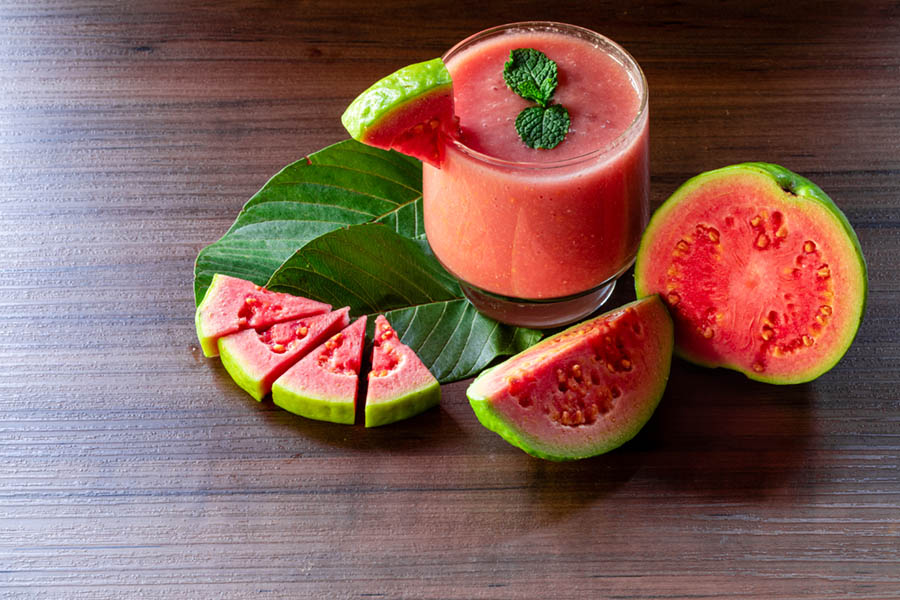
That vibrant pink guava beer turns beige after a week.
Your fruit puree clogs filters or adds 3+ hours to cleanup.
The pineapple wheat re-ferments in the can and gets pulled from distro.
You can’t scale because the fruit you’re using isn’t shelf-stable or consistent.
Fruit isn’t the problem.
Using the wrong fruit purée is.
What Makes Fruit Unstable in Brewing?
Here’s what brewers tell us they’re struggling with:
Oxygen exposure pre-fill → leads to flavor loss and color fade
Inconsistent pH/Brix → unpredictable fermentation results
Frozen or fresh-cut fruit → high microbial load, sediment, and shelf-life issues
Sweetened purées or untreated formats → fermentation chaos or off-flavors
If your fruit isn’t aseptic, fermentation-friendly, and spec’d for brewing, you’re risking more than a failed batch — you’re risking your brand reputation.
Using fruit that’s not treated or tested for brewing can introduce oxygen, microbial risk, or pectin haze — all of which increase the chance of flavor loss, re-fermentation, or gushing. This guide from Craft Brewing Business breaks down how aseptic, fiber-managed purées are helping brewers prevent those problems and scale with confidence.
5 Ways to Use Fruit Purée Without Compromising Your Brew
Here’s how breweries are solving the fruit problem with ingredient-first strategy:

1. Use Aseptic, Fermentation-Stable Fruit Purée
Aseptic purées are sterile and shelf-stable — which means:
Zero microbial risk
Consistent gravity
Predictable color and flavor
No need to pasteurize or boil fruit before adding
Bonus: No freezer space. No flavor drop-off.
2. Choose Fiber-Managed and Filter-Friendly Formats
Brewers hate clogged lines and extra tank time.
Some fruit purées are fiber-heavy, separating out or sludging tanks. Others are filter-optimized, designed to minimize haze disruption and time on the centrifuge.
Ask your supplier if they offer filter-friendly versions or Brix-balanced blends optimized for beer/cider filtration systems.
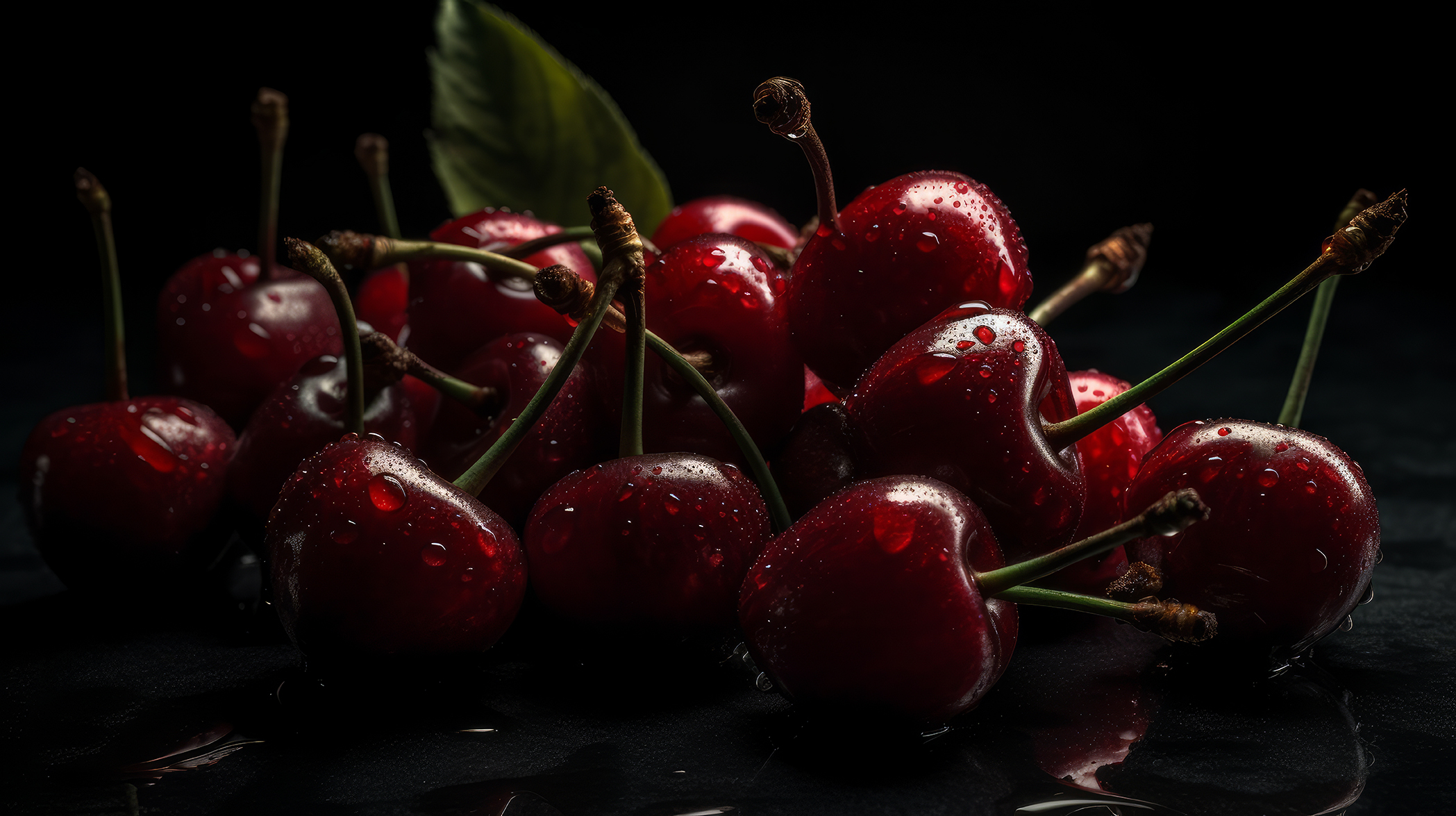
Acerola (cherry) – high in vitamin C, bright flavor
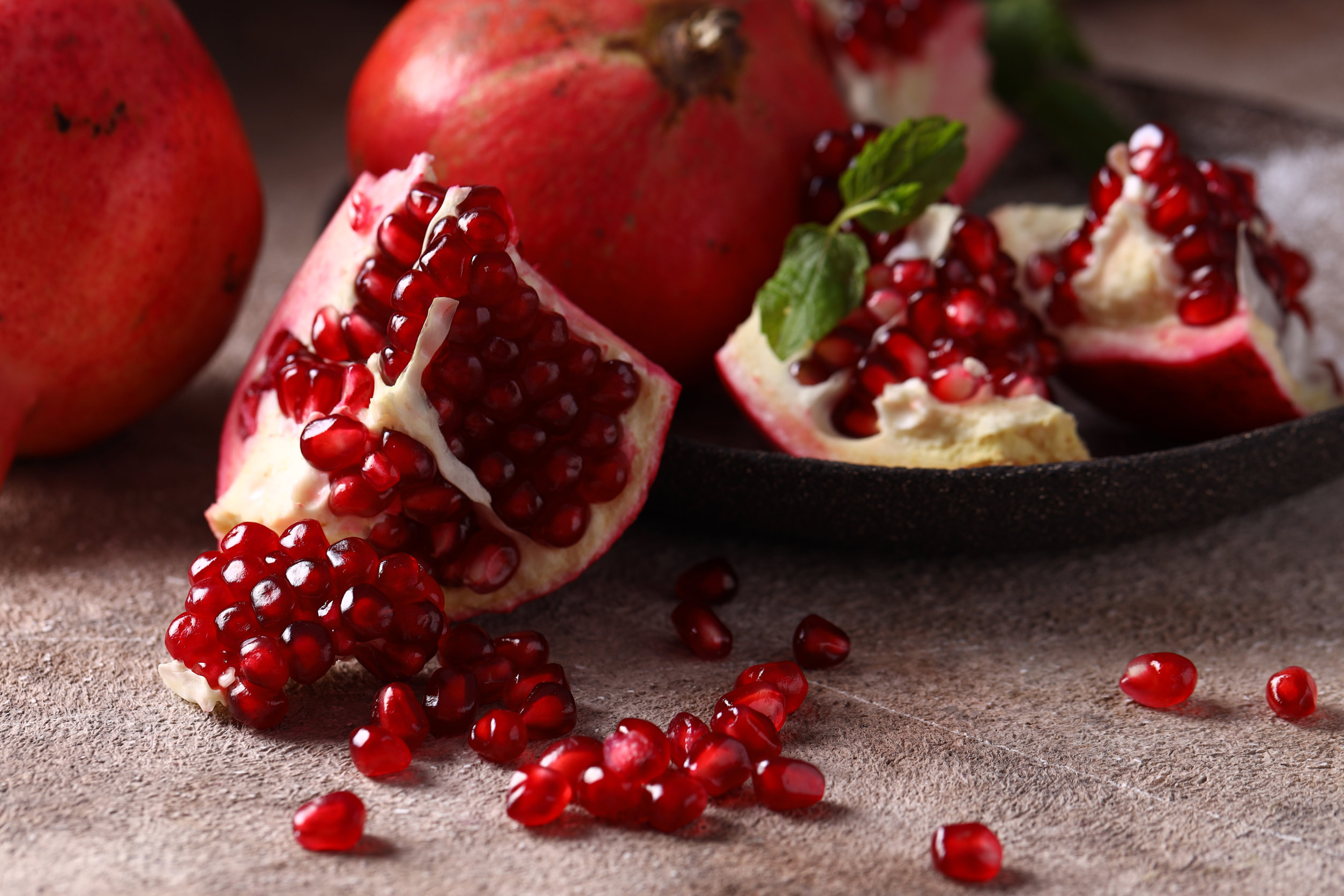
Pomegranate – rich in polyphenols
Passion fruit – acidity + color retention
Mango and guava – fiber and color stability
These aren’t just functional — they’re also on-trend with consumers seeking immune-boosting and exotic blends.
Pro tip: Combine oxidation-prone bases (like apple or banana) with antioxidant-rich purées to stabilize color and flavor naturally.
3. Blend with Naturally Color-Stable Fruits
Some fruits fade fast (like strawberries, apples, or peaches). Others hold strong under pressure and light.
Great options for vibrant, stable beers:
The right blend keeps your beer looking as good in the glass as it did in the pilot batch.
4. Stabilize Flavor Without Killing It
Preservatives or heavy processing often mute fruit flavor — but natural pH/Brix balancing and aseptic thermal control maintain flavor integrity while protecting against spoilage.
Ask your supplier for purées that:
Withstand fermentation and aging
Maintain aroma over time
Don’t require back-sweetening or artificial fixes
5. Small-batch brewers love to experiment, but as you scale to distro or retail, you need:
Predictable yields
Safe, scalable ingredients
Consistent flavor across runs
That starts with spec sheets — pH, Brix, usage rate, and packaging format — so your brew team and QA team can scale confidently.

What to Ask Your Fruit Supplier Before You Brew
Before your next fruit-forward release, ask:
Is this purée aseptic and food-safe?
Has it been used successfully in beer, cider, or RTDs?
Can you provide Brix/pH specs, usage rate guidance, and storage info?
Do you offer filter-friendly or fiber-managed versions?
What’s the lead time — and can you guarantee supply for distro?
If they can’t answer, it’s time to upgrade your purée partner.
How the Best Breweries Are Staying Ahead
The top craft and RTD brands are already:
Replacing frozen fruit with aseptic for shelf life + labor savings
Using fruit pairings that stabilize flavor and make marketing pop
Running seasonal drops with custom blends
Building predictable COGS with bulk-format fruit in drums or 5-gal bags
Partnering with suppliers who act like co-developers, not just vendors
FAQ: Brewing With Real Fruit Purée
Bottom Line
If you’re serious about brewing with real fruit — and scaling that fruit — you need more than flavor.
You need formulation support, safety assurance, and consistency.
And it all starts with the purée.