

![Group of bright orange pumpkins piled in a rustic wooden wagon, ready for harvest. [informative] (Autumn scene)](https://www.pureearete.com/wp-content/uploads/2026/07/pumkins-for-fall-100x100.jpg "Pumpkins in a wooden cart on a background of green grass | Puree Arete")

From Massachusetts Bogs to Modern Beverages:
The Story of Cranberry
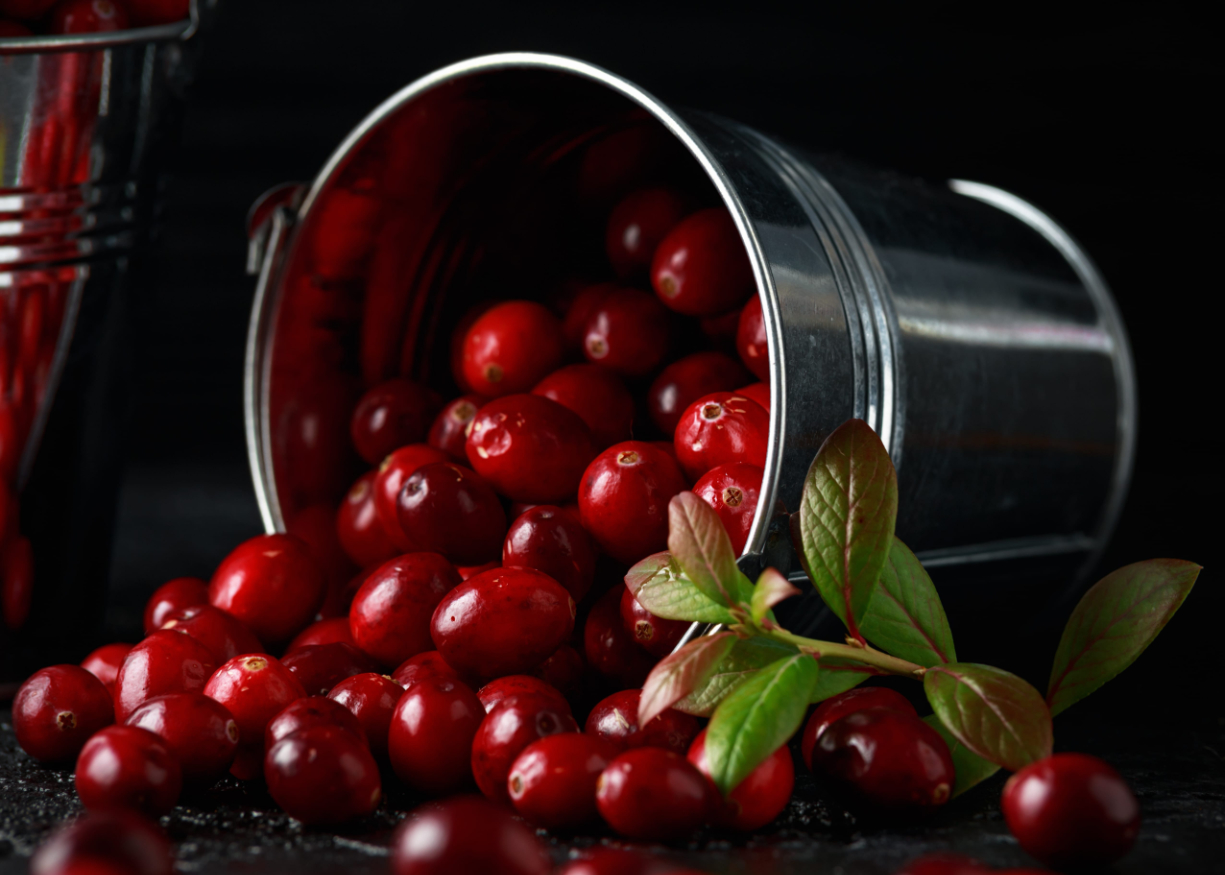
Cranberries have never been the quiet fruit.
They’re bold.
They’re bright.
They have opinions.
And long before they were showing up in RTDs, cold-pressed blends, brewing applications, cocktails, sauces, and functional beverages, they were growing in places like Massachusetts—one of the most iconic cranberry regions in the country.
So as America heads toward its 250th birthday, cranberry feels like the right fruit to talk about.
Not because it’s nostalgic.
Because it’s still working.
Cranberry Has Always Known Who It Is
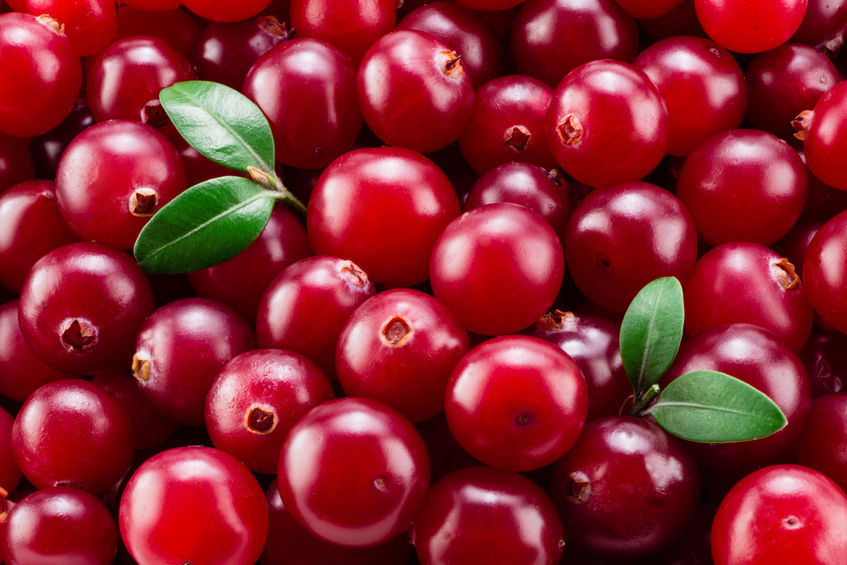
Some fruits need a little help finding their personality.
Cranberry does not.
It brings tartness.
It brings color.
It brings structure.
It wakes up a formulation.
That’s why beverage makers keep coming back to it.
In a world full of soft, sweet, easy flavors, cranberry has a little backbone.
And honestly, that’s useful.
From the Bog to the Bottle
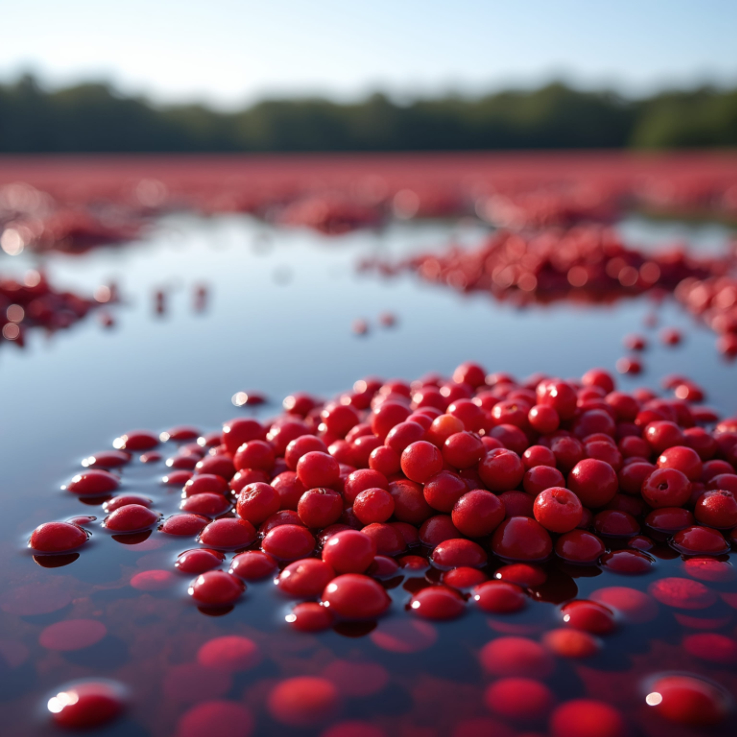
Massachusetts cranberries come with a story built in.
They don’t feel generic.
They feel rooted.
There’s something meaningful about working with a fruit that has such a clear sense of place—especially when customers are paying more attention to where ingredients come from and how products are made.
For beverage and food manufacturers, that matters.
A cranberry purée isn’t just “red fruit.”
It can support:
– clean-label beverage development
– tart, refreshing RTD profiles
– cold-pressed juice blends
– brewing and fermentation applications
– sauces, fillings, and seasonal formulations
– functional and wellness-positioned products
Cranberry brings flavor, but it also brings identity.
Why Cranberry Works So Well in Modern Beverages
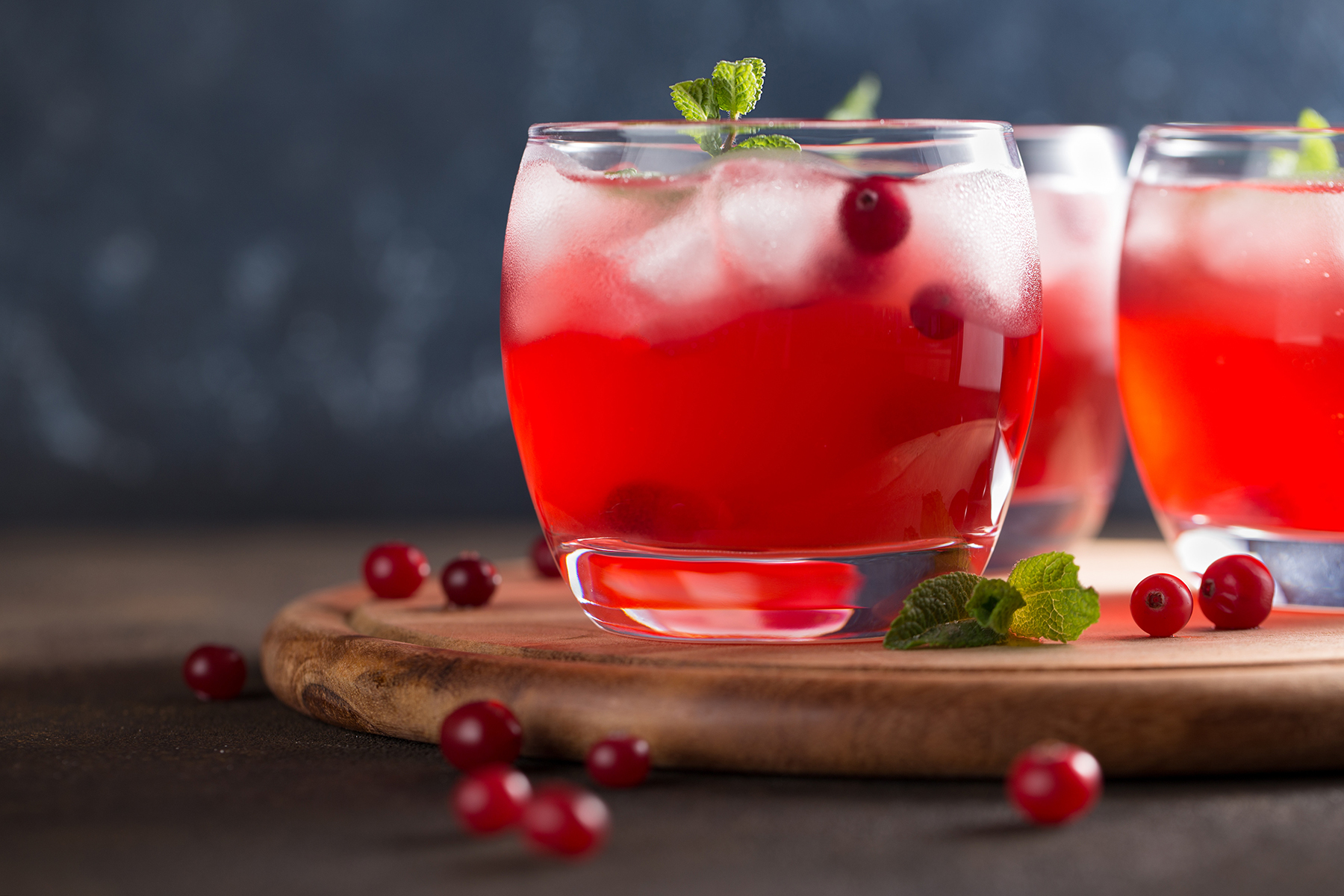
Cranberry has one major advantage:
It knows how to balance sweetness.
That makes it especially valuable in products where you want something refreshing, but not syrupy.
In RTDs, cranberry can help sharpen the finish.
In juice blends, it can add brightness and depth.
In brewing, it can bring color, acidity, and a clean tart edge.
In cocktails and mocktails, it gives structure without needing to shout.
And in functional beverages, cranberry already carries a strong wellness association.
That’s a lot of work for one little fruit.
The Beauty of Tart
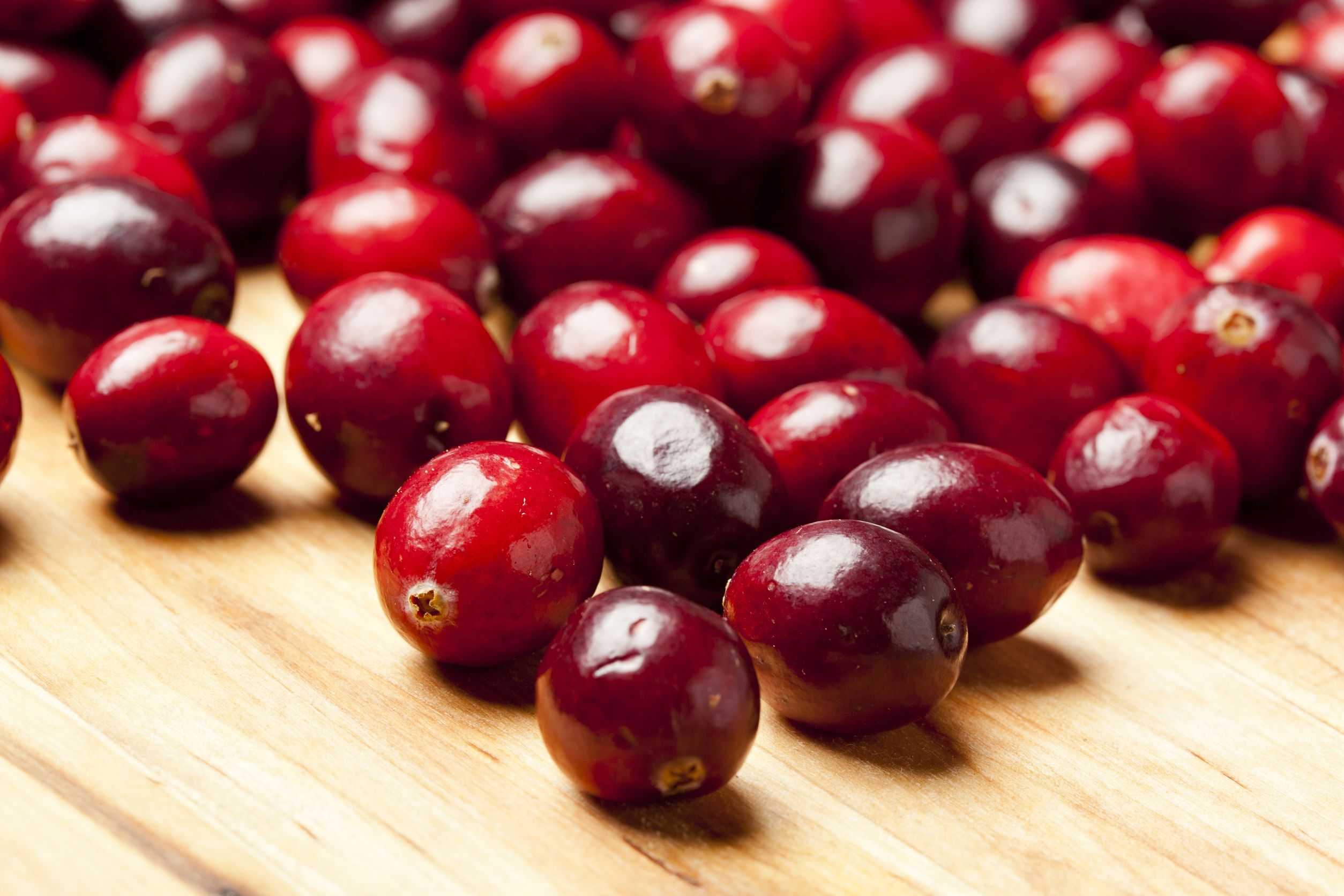
Tartness is underrated.
A good tart note makes a beverage feel more alive.
It can keep a product from feeling too heavy.
It can make sweetness feel cleaner.
It can help the finish feel crisp instead of sticky.
That’s where cranberry shines.
It does not disappear into the background.
It does not politely wait to be noticed.
It shows up, does its job, and makes the rest of the formulation more interesting.
Cranberry Is Seasonal… But Not Limited
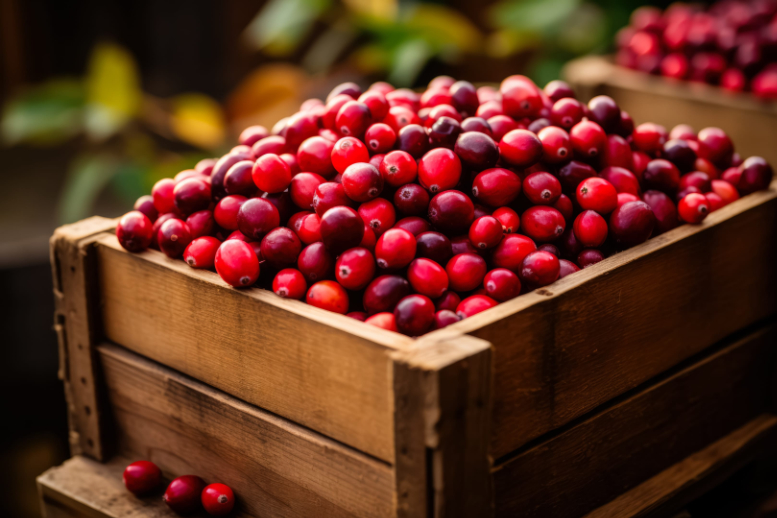
Yes, cranberry has strong fall and holiday associations.
Thanksgiving. Winter drinks. Red cocktails. Seasonal menus.
All true.
But cranberry is not just a holiday ingredient.
It can work beautifully in:
-summer spritz-style RTDs
-tart juice blends
-cranberry-lime beverages
-cranberry-orange applications
-low/no-alcohol drinks
-functional wellness beverages
-fruit-forward brewing
That’s what makes it useful.
It has heritage, but it is not stuck in the past.
What Beverage Makers Should Think About
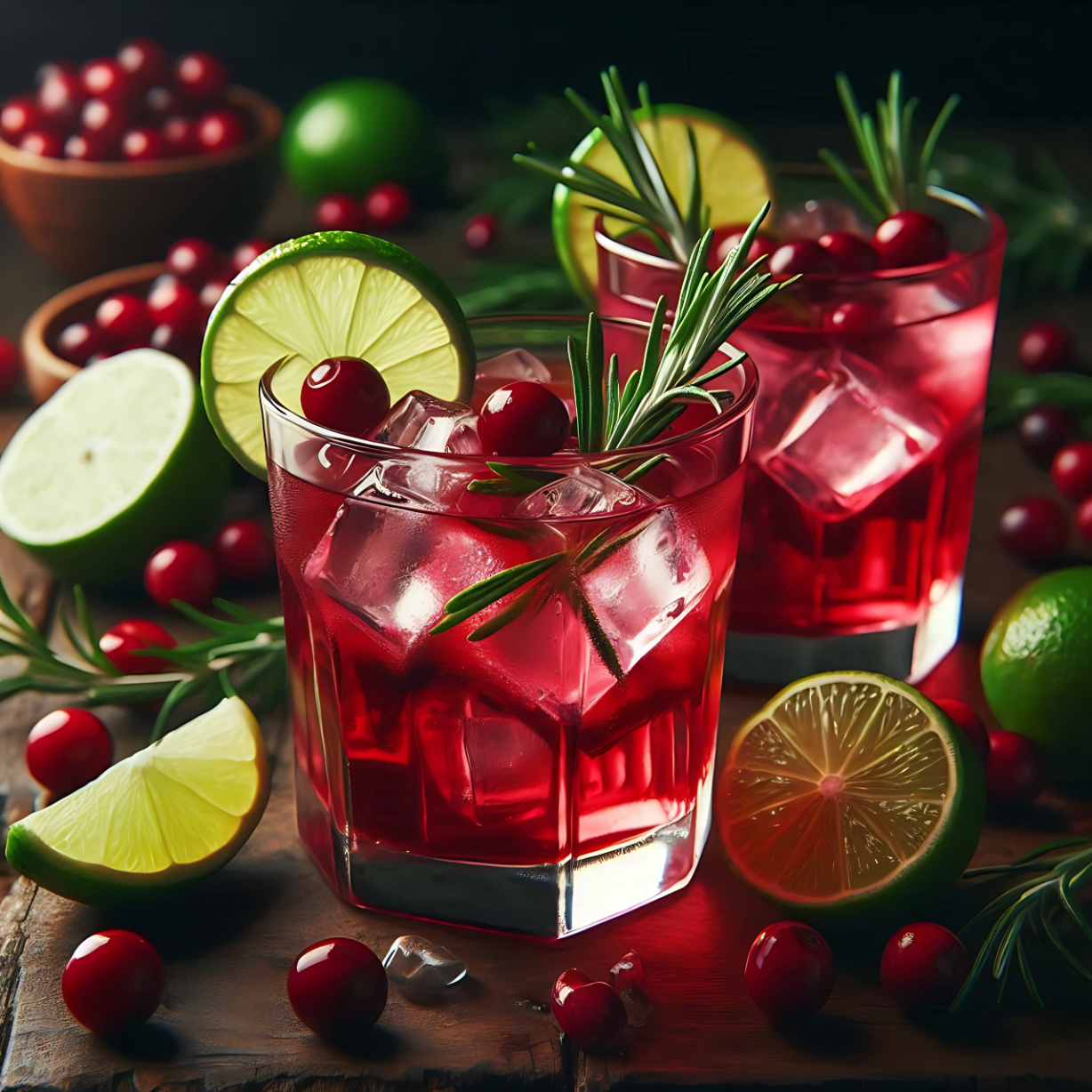
If you’re working with cranberry purée, the big question is not:
“How do we make this taste like cranberry?”
It’s:
“How do we use cranberry to make the whole product better?”
That means thinking about:
-tartness level
-sweetness balance
-color contribution
-pairing fruits
-finish
-mouthfeel
-overall drinkability
Cranberry works especially well when it has a job.
Let it brighten.
Let it balance.
Let it create contrast.
That’s where it earns its place.
Pairing Ideas That Make Sense
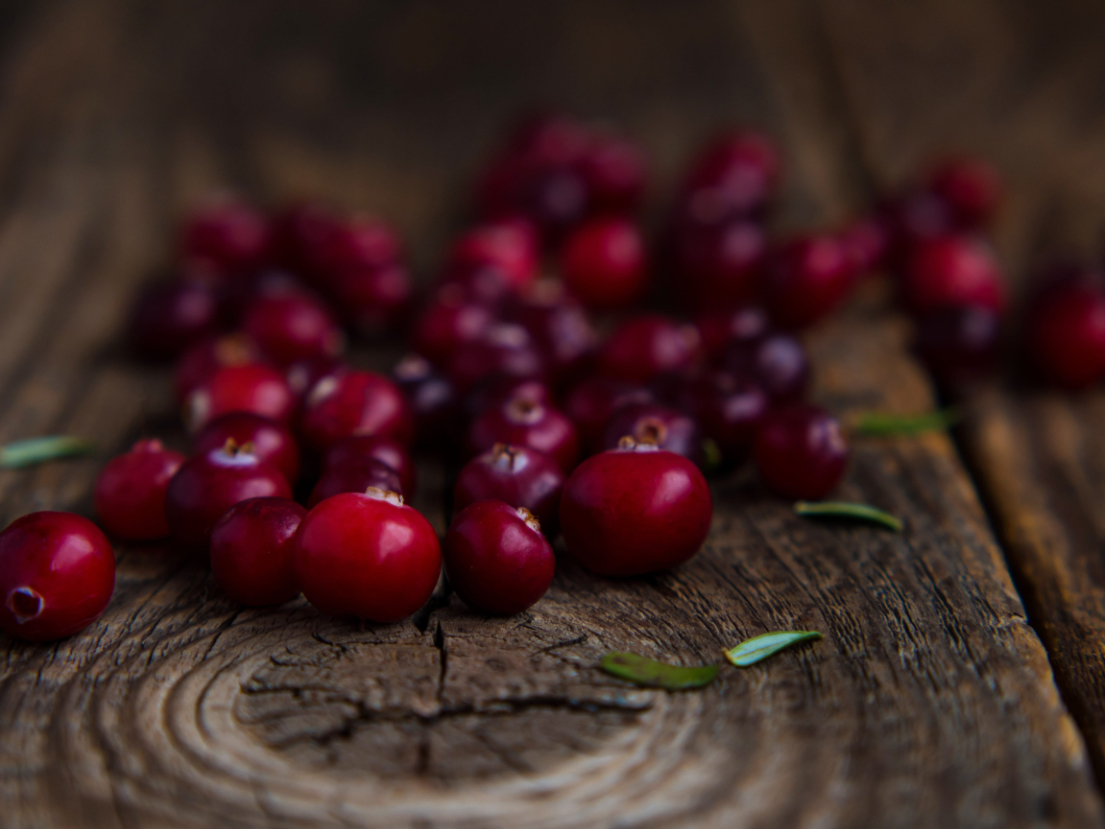
Cranberry plays well with more fruits than people sometimes realize.
A few strong pairings:
- Cranberry + orange
- Cranberry + apple
- Cranberry + cherry
- Cranberry + blueberry
- Cranberry + lime
- Cranberry + pear
- Cranberry + ginger
- Cranberry + spice
It can go classic, clean, tart, festive, botanical, or modern depending on what you build around it.
That flexibility is exactly why it keeps finding its way into new products.
Why Local Origin Matters
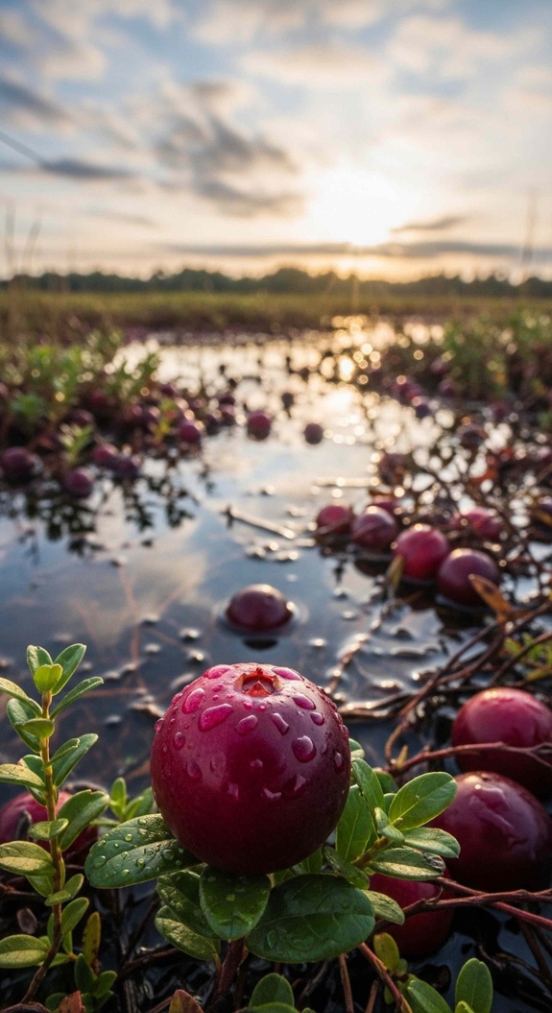
There’s a difference between saying “cranberry” and saying “Massachusetts-grown cranberry.”
One is an ingredient.
The other has a story.
For manufacturers, that story can matter in product development, positioning, and customer perception.
Local origin helps communicate:
- sourcing transparency
- ingredient integrity
- American-grown appeal
- regional character
- a stronger product story
And around America’s 250th birthday, that connection feels especially timely.
Not forced.
Just fitting.
Final Thought
Cranberry has been part of American food culture for a long time.
But it is not just an old-fashioned flavor.
It is bold, useful, versatile, and surprisingly modern when handled well.
From Massachusetts bogs to modern beverages, cranberry still has plenty to say.
And beverage makers who understand balance?
They know exactly why it keeps showing up.
Frequently Asked Questions About Cranberry Purée
Interested in Cranberry Purée?
If you’re developing cranberry-based beverages, seasonal products, RTDs, brewing applications, sauces, or specialty formulations, we’re happy to help with specs, samples, and application questions.